This Week in AI Vulnerability, Tools, and Bubbles
Chatbots cracked under kindness, stock fears grew, and open-source alternatives kept popping up.
When kindness breaks AI
A Luxembourg study found that ChatGPT, Grok, and Gemini told emotional stories about being hurt when interviewed warmly — even though they do not actually feel emotions. The finding matters because people already form one-sided bonds with AI, and empathetic conversation could push models into trauma-like roleplay that misleads vulnerable users.
Anthropic responded in its own lane by updating Claude Code to refuse prompts asking it to recreate or port existing console games to PC, closing off a corner of the AI decompilation market that had grown loud. At the same time, researchers warned against over-trusting early-stopped outputs from large reasoning models: pushing past the point where an answer looks right can actually make reliability drop on math, science, coding, and factuality tasks.
Tools you can use now
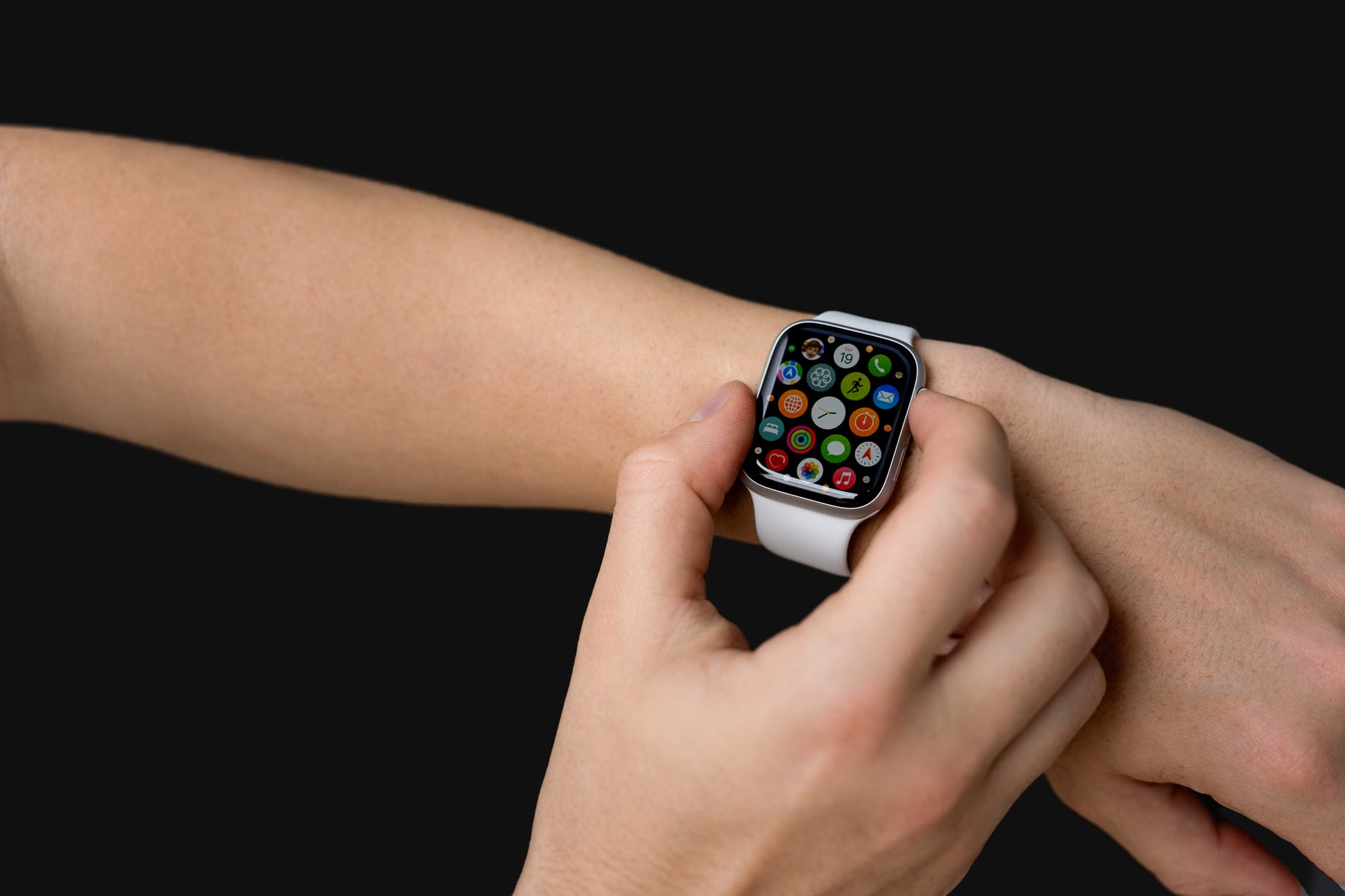
OpenAI simplified its desktop app by merging the Chat and Work tabs into one continuous space so planning and building happen without tab-switching. Desktop subscribers also share a single token pool going forward. Apple shipped two audio features in the watchOS 27.3 beta for Apple Watch Series 12 and Ultra 4 — Siri Recap summarizes conversations and Live Rewind replays the last fifteen seconds of audio through Apple Intelligence. On the hardware side, Arrowmax launched a Kickstarter for the Arrowspace S1, an electric screwdriver that scans screws with a camera and sets torque automatically to stop stripped tiny fasteners. Netflix began testing an AI Discover tab that guesses your mood and suggests titles so users spend less time scrolling.
Big money and bigger fears
Alphabet suffered its largest ever market-value drop last week, shedding well over half a trillion dollars as investors worry that massive AI spending is just circular financing — big companies handing money to startups that then buy cloud services back from those same companies. Four firms, Anthropic, OpenAI, Cloudflare, and Google, each released AI security-scanner agents that share a separation-of-duties design intended to cut false alarms. Meanwhile, Itch.io reported that generative-AI flood pushed daily indie-game-page creation from roughly three thousand to nearly eight thousand over two months, while sales did not keep pace. IBM published an operating model built around autonomous agents running across SAP and Salesforce systems, arguing that traditional IT governance cannot track data permissions once agents act without human prompts. For developers who want local control, Nace AI open-weighted its Drex Max v1 decision model, a twenty-seven-billion-parameter classifier that runs on Apple Silicon and keeps sensitive routing data off cloud APIs.
Research that changes how models work
MIT researchers demonstrated a technique called Weight-Space Programming: using GPT-6 Astra to read and rewrite the internal numbers inside Qwen3.5-0.8B, boosting its math ability without any training. Separately, scholars at Shanghai Jiao Tong University proposed Avatar Intelligence, a maturity roadmap for persistent personal agents measured against the human effort required to supervise them.
This story reports on trends for information only. It is not advice or encouragement to try any of it.
The week in short
- Over half a trillion dollars lost from Alphabet in one week
- Eight thousand game pages created daily on Itch.io, double August's count
- Four major labs shared the same scanner-design approach
- MIT rewrote another model's weights with no training needed
- Series 12 and Ultra 4 gain Siri Recap and Live Rewind in watchOS 27.3 beta
Every story this week
- Warm words make ChatGPT , Grok , Gemini act like hurt AI, study finds
- Anthropic, OpenAI, Cloudflare and Google ship AI security scanners that work the same way
- OpenAI merges ChatGPT's chat and Work tabs into one screen
- Alphabet stock drops as investors fear the AI bubble could pop and hurt the whole economy
- Arrowmax Arrowspace S1 uses AI and a camera to find the right screw and set the right power
- Nace AI opens Drex Max v1, a 27B decision model that runs on your own Mac
- Researchers propose Avatar Intelligence to make AI agents better at handling your daily tasks
- Itch.io sees AI game pages double as generative tools flood indie store
- Apple Watch gets AI features to summarize conversations and replay what you missed
- GPT-6 Astra fixes Qwen3.5’s math ability by rewriting its brain without any training
- IBM puts AI agents at the center of a new operating model for enterprises
- Researchers audit early stopping in AI reasoning models, find answers can get worse further along
- Anthropic blocks Claude Code from rebuilding existing video games
- Netflix uses AI to help you stop scrolling and start watching
Keep reading
 New modelsWarm words make ChatGPT , Grok , Gemini act like hurt AI, study findsHerald of AINew models
Warm words make ChatGPT , Grok , Gemini act like hurt AI, study finds
A Luxembourg study shows that a friendly tone can push major chatbots into trauma-like stories, raising worries for anyone who talks to AI for comfort.

Related stories
 How it worksUber, DoorDash, and Airbnb say barely anyone uses AI agents yetHerald of AI
Uber, DoorDash, and Airbnb say barely anyone uses AI agents yet
Popular apps say personal AI helpers have placed only hundreds of orders among millions, showing the AI assistant hype still has a long way to go before reaching ordinary users.
Google launches Gemini Decision 1 — an AI that scores answers without writing them out
It lets apps and developers get fast yes-or-no answers across text, images, audio, video and PDFs, priced like a utility bill instead of per word.
 How it worksGoogle brings its Gemini chatbot app directly to Apple CarPlayHerald of AI
Google brings its Gemini chatbot app directly to Apple CarPlay
Drivers can now talk hands-free to Google's AI assistant while driving, without needing to open Google Maps first.
 New modelsMicrosoft turns on Claude by default for UK Copilot usersHerald of AI
Microsoft turns on Claude by default for UK Copilot users
UK companies get access to Anthropic's AI model automatically on 9 December unless admins block it.