Microsoft patent would pay you to use your computer's spare power for AI training
It could mean getting paid or getting free software credits if you let Microsoft borrow your idle graphics card to train its AI models.
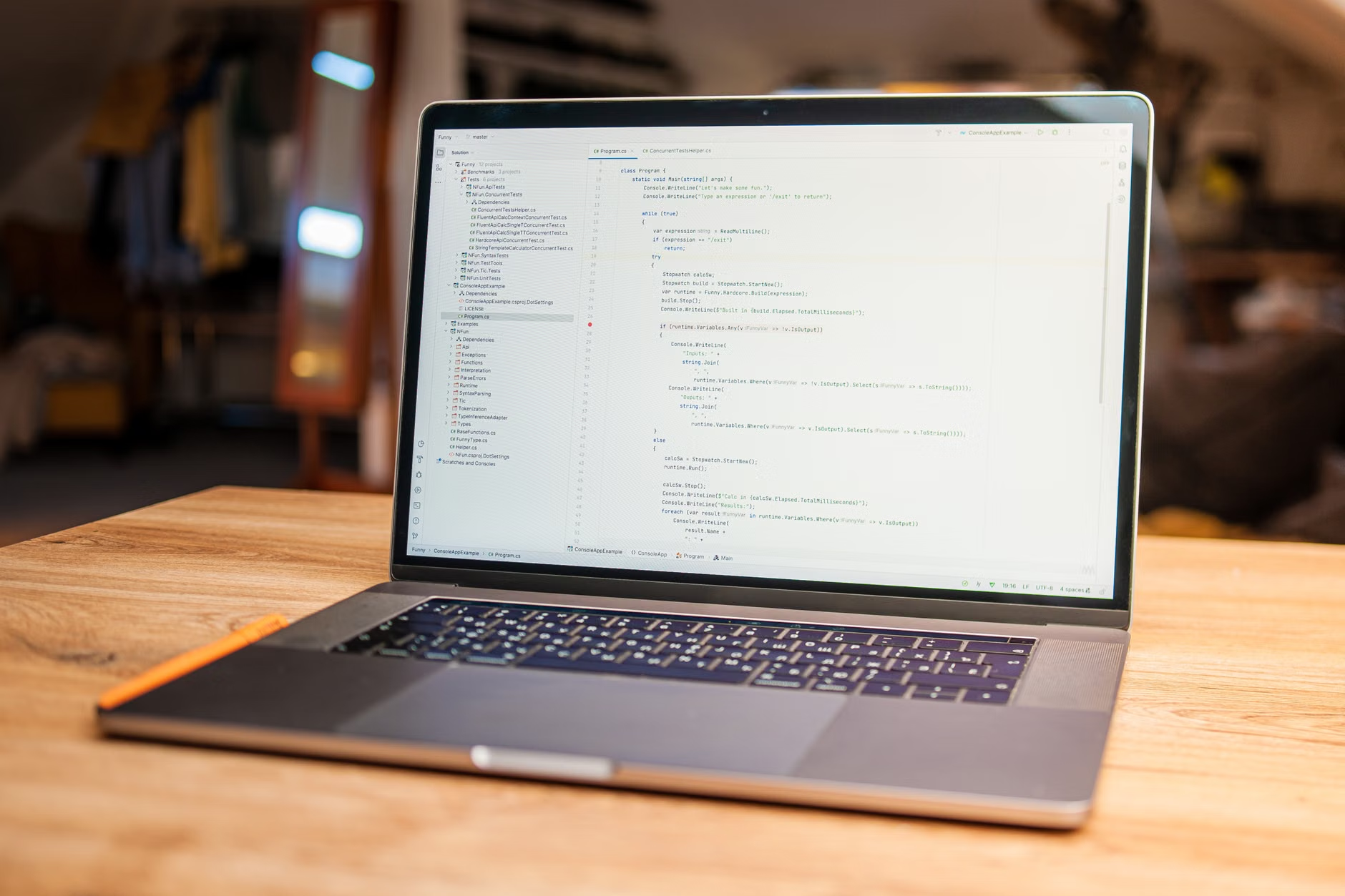
How it works
A Microsoft plan to borrow idle computer and phone processing power to help train AI models.
- Microsoft scans your device for unused CPU and GPU power
- Small training tasks are sent to your graphics card
- Your computer keeps doing normal things while it works
- You earn money, credits, or early AI access
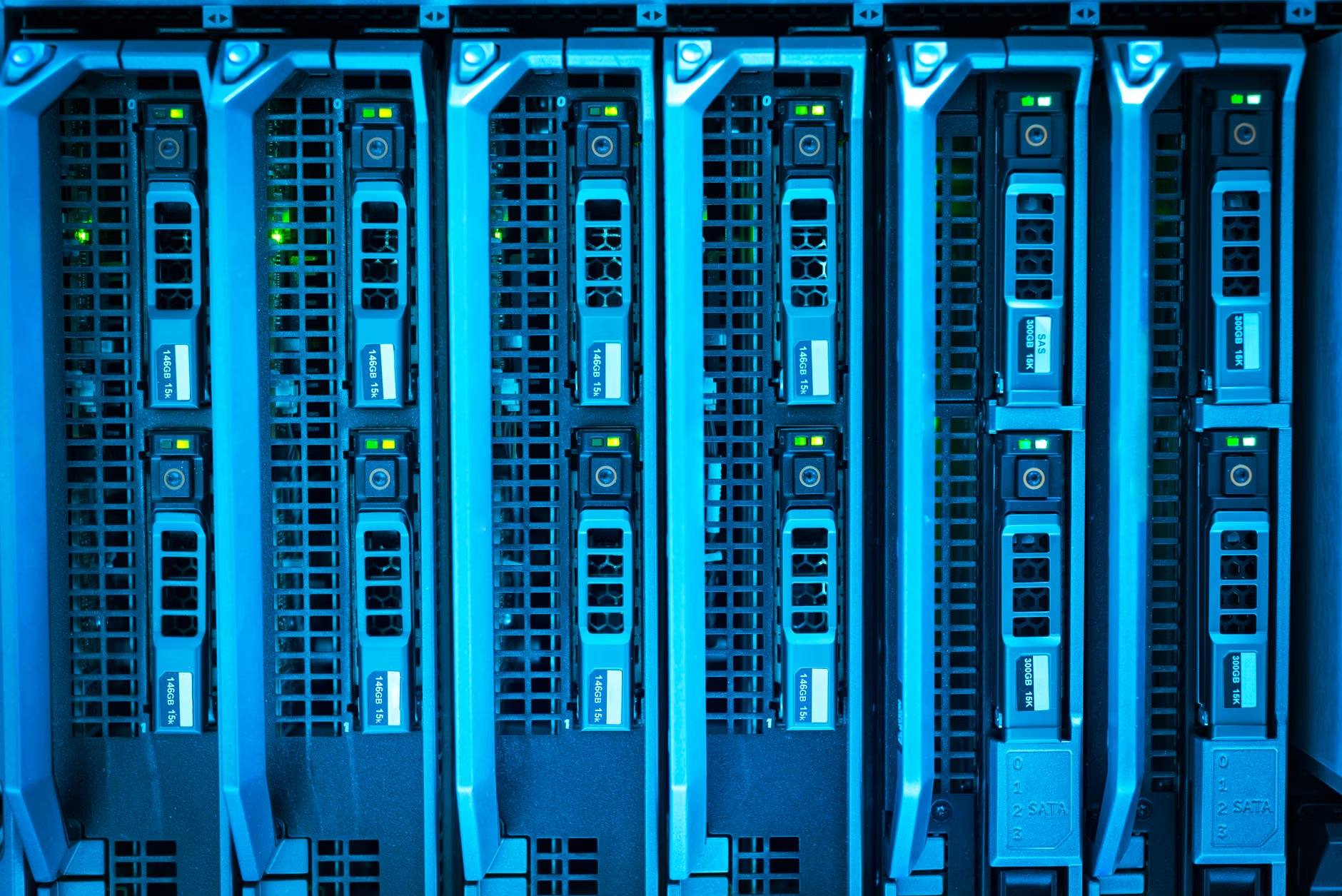
A patent filing made earlier this month describes a network that connects servers, desktop PCs and smartphones, monitoring them to find moments when their processors sit mostly idle 1. The system tracks CPU and GPU usage, memory use, temperature, power draw, memory bandwidth and the depth of pending computation queues to decide exactly how much spare capacity each device can safely hand over without slowing down whatever the user is doing .
When free cycles are found, training jobs are sliced into tiny micro-tasks and sent out to subscribed machines, ranked partly by their track record for returning accurate results 1. Users who choose to participate may receive financial rewards, credits for software, or early access to the models they helped build.
The idea arrived just days after OpenAI chief executive Sam Altman caused outrage by claiming that RAM sitting idle in ordinary home computers was wasteful compared with putting that same memory into AI company servers 1. Altman's comments were widely criticised, and Microsoft's patent reads like a direct response — an attempt to turn frustrated consumers' spare hardware into a useful resource rather than leaving it unused .
The context behind the patent is straightforward: training today's largest AI models demands staggering amounts of computing power, and GPUs are uniquely built for those kinds of calculations 1. As models grow more complex, so does the bill for training them . At the same time, the global rush to build AI data centres is straining GPU manufacturing so severely that making high-end server chips now earns more for manufacturers than producing consumer graphics cards like the RTX 5090 — a shift that has already pushed prices up for regular buyers . AMD chief executive Lisa Su recently described her company as effectively becoming a data-centre-first business because of it . Memory prices have followed a similar path upwards .
One diagram in the patent also shows mobile phones joining the pool of available devices, meaning a smartphone left charging overnight could theoretically contribute to AI training alongside a gaming desktop 1.
Not every patent becomes a product, and Microsoft has been filing increasingly experimental AI patents in recent years — one recent proposal describes rewriting or translating words in a live video stream while automatically adjusting speakers' lip movements to match 1. Whether this particular idea will ever leave the filing cabinet remains unclear .
What it would look like in practice
If activated, the service would run quietly in the background. Your computer would continue handling your normal tasks, but whenever the system detected a lull — say, after you close your games or spreadsheets — it would automatically hand off small chunks of AI training work to your graphics card 1. You would be compensated through whichever reward route Microsoft chose at the time .
Why no one knows if it will happen
Patents describe ideas, not promises. Microsoft may file dozens of concepts that never reach customers, using them as bargaining chips or simply exploring possibilities 1. A similar recent Microsoft patent about real-time livestream lip-sync translation shows how far some of these filings stretch beyond anything currently on sale . Still, the timing — arriving right after Altman's RAM remarks — suggests the company sees genuine interest in turning consumers' idle hardware into an asset .
The bigger question
Even if the patent never launches, it highlights a tension at the heart of the AI boom: demand for chip power is exploding faster than manufacturers can keep up, and big companies are increasingly looking outward — toward the millions of devices already sitting on desks and in pockets — to fill the gap 1.
Key facts
- Microsoft filed the patent earlier this month; it has not yet become a product
- The system would monitor CPU/GPU usage, memory, temperature, power and queue depth to find idle capacity
- Rewards could include cash, store credits or early access to AI models
- The idea follows Sam Altman's controversial comments that home-computer RAM is wasted compared with datacentres
- GPU manufacturing is so strained by AI demand that server chips now take priority over consumer cards like the RTX 5090
Sources
Keep reading
 New modelsMicrosoft launches Decision-1, a fast AI model that scores answers instead of writing themHerald of AINew models
Microsoft launches Decision-1, a fast AI model that scores answers instead of writing them
The new model helps software make quick decisions — like routing a support ticket or checking if content is safe — at a fraction of the speed and cost of regular chatbots.


Related stories
 How it worksUber, DoorDash, and Airbnb say barely anyone uses AI agents yetHerald of AI
Uber, DoorDash, and Airbnb say barely anyone uses AI agents yet
Popular apps say personal AI helpers have placed only hundreds of orders among millions, showing the AI assistant hype still has a long way to go before reaching ordinary users.
Google launches Gemini Decision 1 — an AI that scores answers without writing them out
It lets apps and developers get fast yes-or-no answers across text, images, audio, video and PDFs, priced like a utility bill instead of per word.
 New modelsAmazon, Microsoft, and Google revealed very different AI plans in their latest earnings reportsHerald of AI
Amazon, Microsoft, and Google revealed very different AI plans in their latest earnings reports
Cloud providers are betting big on AI, but they're doing it in three completely different ways — and that matters for which services your company will use.
 How it worksOpenAI lets businesses get verified profiles and AI chat agents in ChatGPTHerald of AI
OpenAI lets businesses get verified profiles and AI chat agents in ChatGPT
Companies can now have their own AI assistant on ChatGPT that answers customer questions using real product details.