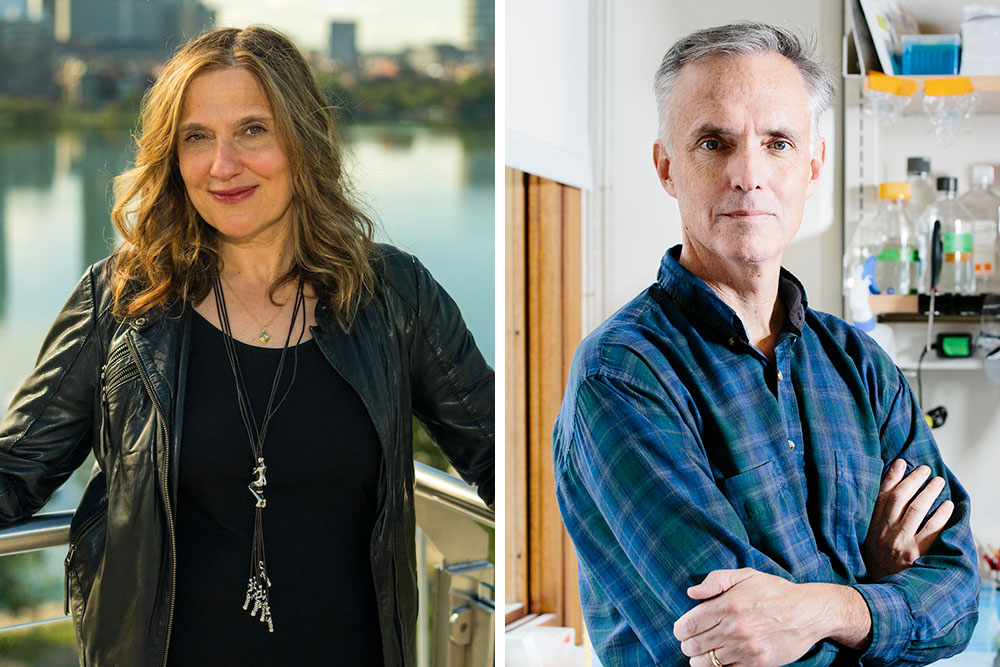
MIT's Regina Barzilay and Jim Collins win Pritzker Prize for AI-discovered antibiotic
Their AI tool found a new antibiotic against deadly drug-resistant bacteria in weeks instead of years.
How it works
An AI program that scans chemical molecules to rapidly discover new antibiotics against superbugs.
- Train it on a few thousand known molecules
- Scan thousands more to spot antibiotic candidates
- Test the top picks against dangerous bacteria
What you could do with it
- A researcher could use a deep learning model to scan thousands of molecules and identify promising new antibiotic candidates against drug-resistant bacteria in just a few weeks 1.
- A scientist could apply machine learning to design a narrow-spectrum antibiotic that targets only one type of superbug while sparing the helpful bacteria in a person's gut 1.
- A medical researcher could use the AI-enabled approach to repurpose drugs originally studied for other conditions, like diabetes, into effective antibiotics 1.
Guess
How many molecules did the team train the AI on?
Just 2,500 molecules were enough for the AI to find halicin.
An exampleInvented to explain it
Priya, a med student looking into new antibiotics
PriyaCan your AI find antibiotics faster than lab work?
SystemYes. It scanned thousands of molecules and found one called halicin against resistant bacteria.
PriyaDoes it kill the good gut bacteria too?
SystemA newer version called abaucin targets just one superbug, sparing helpful bacteria.
PriyaThat would make treatments much safer. Thanks!
She now understands how AI is changing antibiotic discovery instead of taking years, cutting it down to weeks.
A milestone in AI medicine
Regina Barzilay and Jim Collins of MIT have been selected as winners of the 2026 Pritzker Prize for AI in Science Research Excellence, which is presented jointly by the University of Chicago and Caltech 12. The award, established in 2024, honors research that pushes both artificial intelligence and the natural sciences forward at the same time . Each prize comes with $50,000 .
The two researchers act as joint faculty leads for the Abdul Latif Jameel Clinic for Machine Learning in Health at MIT, carrying out their research via both the MIT Schwarzman College of Computing and the School of Engineering 1. Their collaboration produced what is widely seen as a landmark moment in using AI for drug discovery .
In 2020, the team published their first major result in the journal Cell, describing the discovery of halicin, the first antibiotic ever found by artificial intelligence 1. The drug was named after HAL 9000, the fictional computer from the movie 2001: A Space Odyssey . Halicin is a broad-spectrum antibiotic, meaning it works against many different types of bacteria . It had originally been studied as a possible diabetes treatment before the AI model flagged it as a potential antibiotic . The deep learning system was trained on 2,500 molecules and identified halicin as a promising candidate . In testing, it killed tough antibiotic-resistant bacteria including Clostridium difficile, Acinetobacter baumannii, and Mycobacterium tuberculosis — all in just a few weeks, a process that traditionally takes years .
A second discovery, a sharper tool
The team did not stop there. In 2023, they used machine learning to find another antibiotic called abaucin 1. This one is a narrow-spectrum antibiotic, which means it targets only one specific type of bacteria — in this case, A. baumannii is a superbug often located on hospital doorknobs and inside the wounds of soldiers stationed in Iraq and Afghanistan . The narrow approach is actually an advantage: by focusing on just one bacterium, abaucin is less likely to harm the helpful bacteria in a person's gut or encourage resistance to develop .
Jonathan Stokes, who was a postdoc in Collins' lab when the halicin work was done and is now an assistant professor at McMaster University, was the first author on both papers 1.
What this means for the future of drugs
Collins said the old way of finding antibiotics relied on slow, trial-and-error experiments that were costly and unpredictable 1. With generative AI, he said, "we're now seeing a shift from AI being used as a tool for discovery to AI being used as a design tool," opening the door to the next generation of life-saving drugs .
Barzilay warned that the field is still early 1. She noted that AI can currently automate only parts of the drug discovery process, and that building realistic AI models of human biology will require hard work before the approach can fully transform how medicines are developed .
This year's prize also went to Kristin Persson of UC Berkeley, recognized for creating the Materials Project, a free global database of materials data used by more than 800,000 researchers 2. Eric Horvitz of Microsoft, a member of the prize selection committee, said the award honors scientists whose creativity is "expanding the frontiers of scientific understanding" .
How good is it
The AI-discovered antibiotic halicin killed tough drug-resistant bacteria including Clostridium difficile, Acinetobacter baumannii, and Mycobacterium tuberculosis in testing by the MIT team 1. The entire discovery process took just a few weeks, compared to years using traditional methods . A second antibiotic called abaucin was found to target only A. baumannii, reducing the risk of harming beneficial gut bacteria and slowing resistance development . These results were demonstrated by researchers at MIT's Jameel Clinic and published in the journal Cell .
Corrections and updates
- Corrected on 11 November 2026. An earlier version of this story included details its sources do not support. They have been corrected or removed.
Key facts
- Regina Barzilay and Jim Collins won the 2026 Pritzker Prize for AI in Science Research Excellence
- Their AI system discovered halicin in 2020, the first antibiotic ever found by artificial intelligence
- The method identified the antibiotic in weeks instead of the years a traditional process would take
- A second antibiotic, abaucin, was discovered in 2023 targeting a specific superbug found in hospitals
- The prize, worth $50,000, is awarded by the University of Chicago and Caltech and was established in 2024
Sources
Keep reading
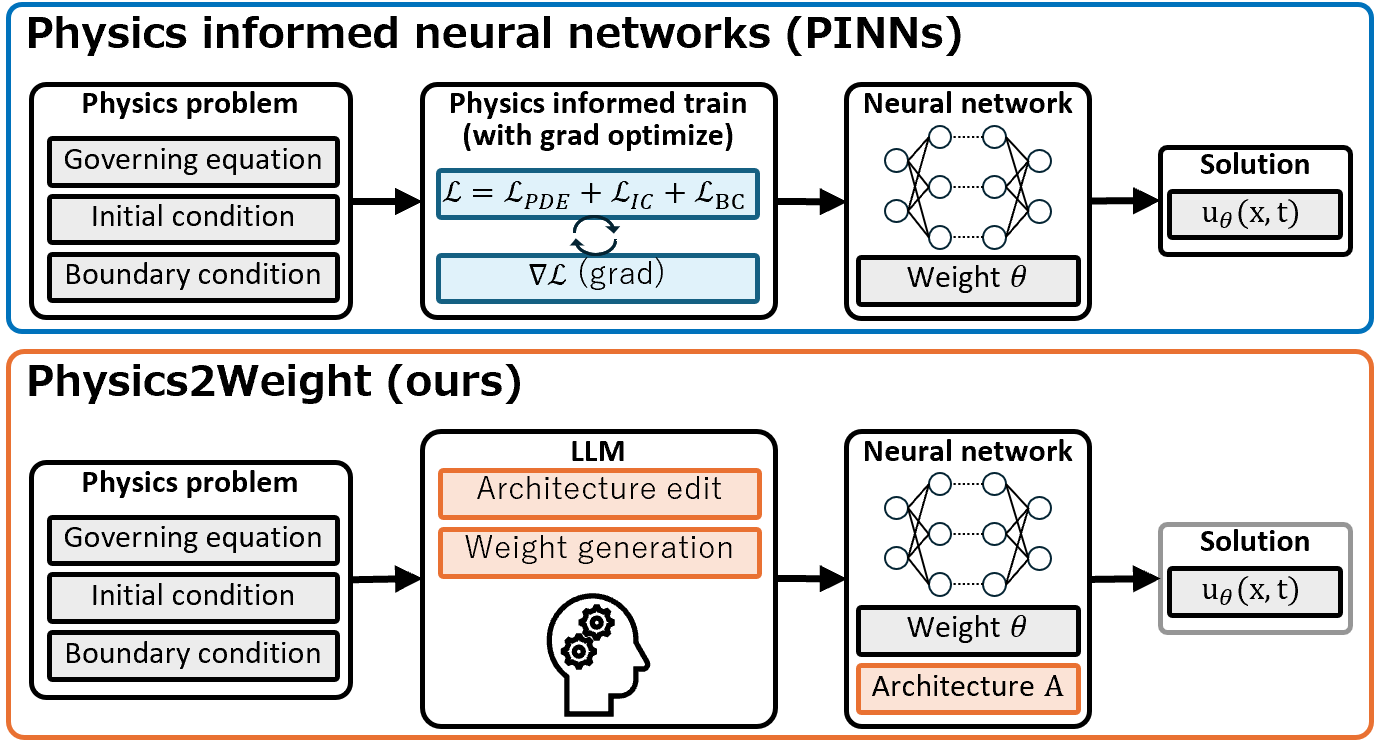 How it worksPhysicists now use AI to build neural networks directly from the laws of physicsHerald of AIFigure: Sato et al., arXiv:2611.12954, CC BY 4.0How it works
Physicists now use AI to build neural networks directly from the laws of physics
A new method lets Physics2Weight create neural networks that solve real-world physics problems without the slow trial-and-error training most AIs need today.
 PeopleAnthropic shows how it runs Claude on four types of chips at once — and did it faster this yearHerald of AI
 PeoplePaul Ford built an office app for hundreds of thousands of users — using only a web browserHerald of AI
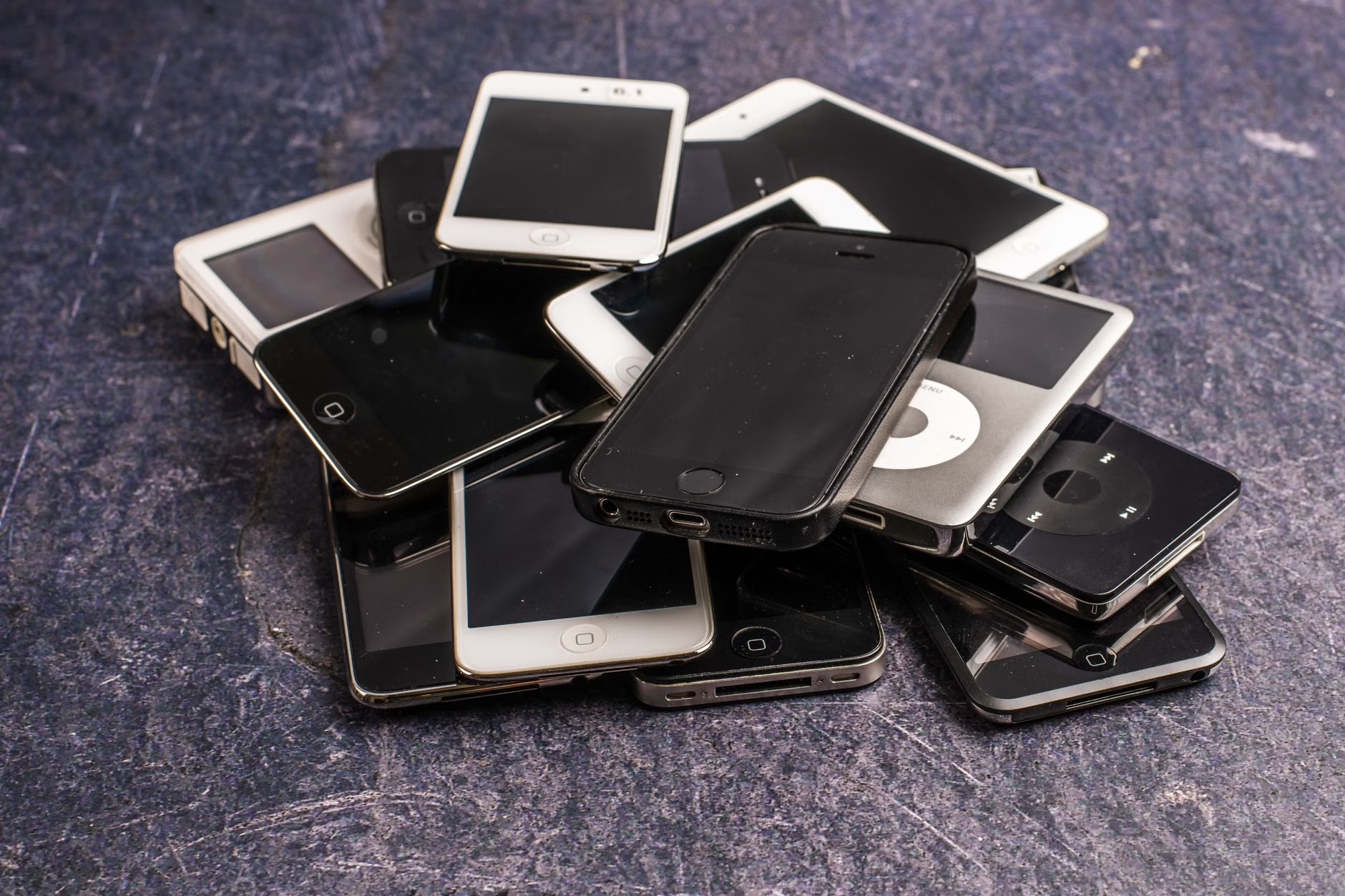 PeopleSimon Willison used Claude Code to turn spare phones and tablets into a finder for a mystery beepHerald of AI