Google launches Language Explorer to map the world's 7,000 languages online
An interactive website and museum exhibit let anyone explore maps, speakers, scripts and endangerment status for thousands of languages.
How it works
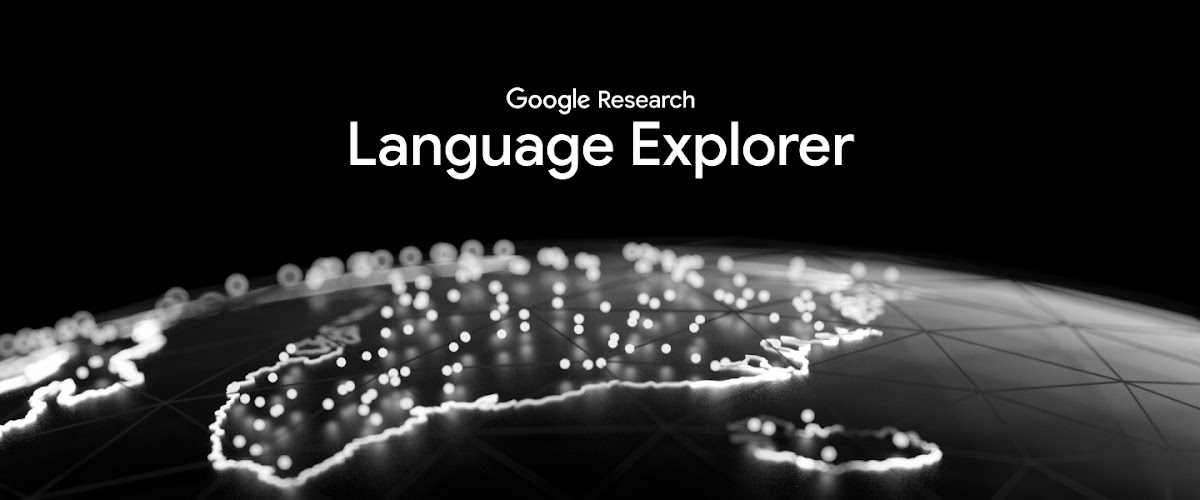
A free interactive website that lets anyone search a map and explore details about 7,000+ languages worldwide.
- Search by language name, country or continent
- Zoom into a region and click a pin
- Click to read who speaks it and if it is endangered
- See the writing scripts used for that language
What you could do with it
- A linguist could search for a specific language by name, country, or continent and click its map pin to see its endangerment status, number of speakers, and scripts used 2.
- A student studying linguistics could explore an interactive map to learn about hundreds of languages across different regions and understand how many people speak each one 2.
- An NLP practitioner building multilingual tools could use LinguaMeta as a reliable, unified source of language metadata rather than gathering data from multiple scattered references 2.
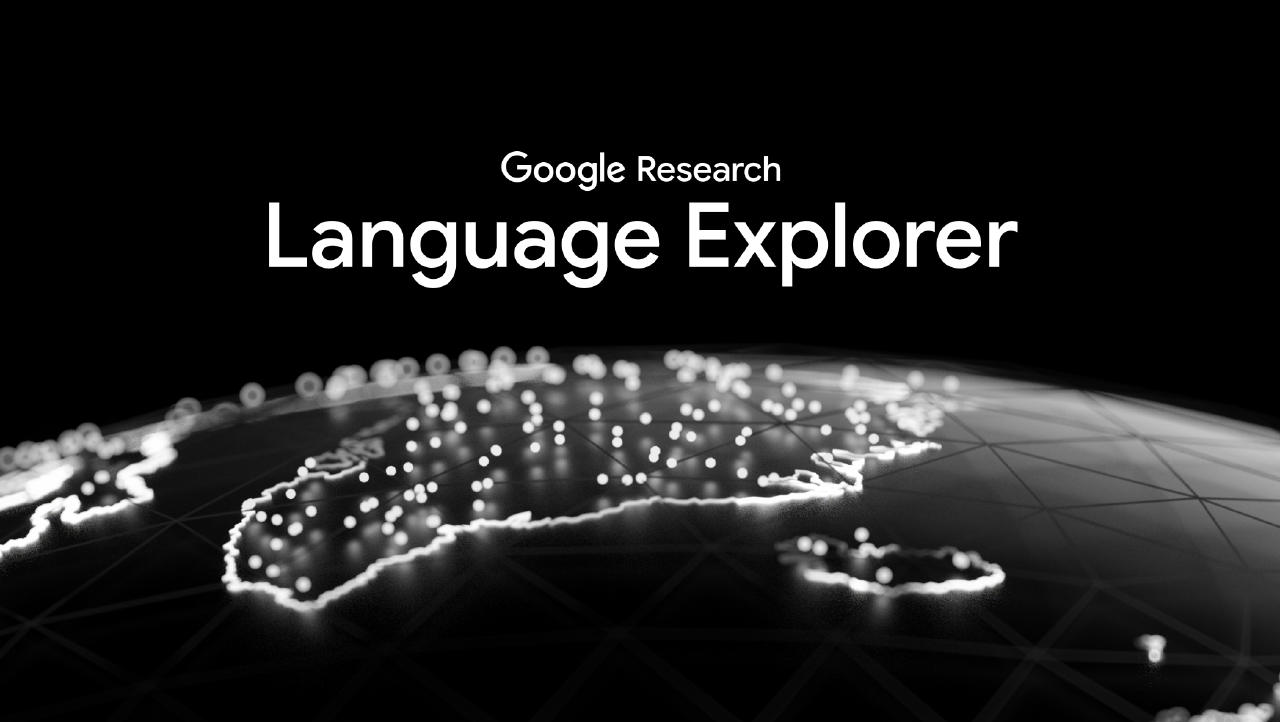
Picture: research.google
An exampleInvented to explain it
Kofi browsing languages for his nephew
KofiI want to find out more about my family language
Language ExplorerSearch by name, country or continent, then click a pin on the map
KofiWhat can I learn once I click?
Language ExplorerYou can see speakers, endangerment status and the scripts used
He found his language on the map and learned more about the community using it.
What you can do with it
You can search for a language by name, country or continent, zoom into an area on the map and click a pin to see detailed information about each language, including number of speakers, endangerment status, scripts used and which region it belongs to 2.
All of that information comes from LinguaMeta, an open-source metadata repository that combines data from 19 different language sources 2. Google says LinguaMeta is still an active project, so the site will be updated whenever major changes are made to the dataset .
The tool is aimed at linguists, researchers, students studying language, members of language communities looking for resources about their own tongues, and Natural Language Processing practitioners who need reliable metadata when building multilingual tools 2.
From two languages to nearly 250
Google's push to cover the world's languages stretches back to 2006, when Google Translate supported only English and Arabic 1. Today it handles around 250 languages and processes roughly a trillion words every month . Other products reflect that breadth too: the Gboard keyboard now supports over 900 language varieties .
Getting there required more than writing code. Google has carried out community-level efforts such as Project Vaani in India and Project Waxal in Africa, teaming up with local groups to gather thousands of hours of publicly available speech recordings from languages that are often overlooked. It also joined a coalition with the Gates Foundation to make sure digital tools capture authentic community voices 1.
Exhibition and online companion
The Language Explorer is currently on display as an interactive installation at the Museum of Communication in Berlin inside the exhibition "Real Talk! Language. Power. World." The show runs through February 2028 and then moves to the Museum of Communication in Frankfurt, where it will stay through September 2029 1.
If you cannot visit in person, an online companion to the exhibition opened on November 6th, and you can use the Language Explorer directly at any time through its own website 1. The site was developed as part of Google's broader 1,000 Languages Initiative, which aims to help bring the world's languages online in a responsible way .
This story reports on a trend for information only. It is not advice or encouragement to do any of it.
Key facts
- Language Explorer covers data on over 7,000 languages worldwide.
- It is powered by LinguaMeta, combining 19 language data sources.
- Google Translate grew from 2 languages in 2006 to nearly 250 today.
- Berlin exhibition 'Real Talk! Language. Power. World.' runs through February 2028; Frankfurt edition runs through September 2029.
- Gboard supports 900+ language varieties globally.
Sources
Keep reading
 How it worksGoogle Open-Sources Harness², a Framework That Improves AI Agents Without Retraining ModelsHerald of AIHow it works
Google Open-Sources Harness², a Framework That Improves AI Agents Without Retraining Models
A new open-source tool from Google Research lets agents get better at tasks by tweaking their setup instead of their core model.