A 750 billion-parameter Chinese AI matches much bigger rivals by reusing parts of itself
Z.ai's new GLM-5.4 model thinks twice over its own steps, letting a smaller system rival ones far larger — and opens doors to making videos, games and 3D scenes.
An AI model that reuses part of itself to reason longer, letting a smaller system compete with much bigger ones.
How it works
Standard AI models run each layer of processing exactly once per task. GLM-5.4 takes 28 layers from its earlier GLM-5 base and sends them through a second time 1. That creates a deeper network using the same number of parameters — no extra "brain cells" needed.
The idea dates back to a 2018 paper called the Universal Transformer, Z.ai said 1. Another company, Thinking Machines, released a looped model for laptops last week, showing the approach is gaining attention across the field .
To manage expenses, the second stage takes advantage of the first stage's stored information and relevance data, with just a small additional moving section from its own 1. Z.ai tested the technique on models ranging from 1 billion to 750 billion parameters. On a 30 billion version, looping added roughly 10 percent more training compute .
What it does better (and worse)
Compared with previous versions, GLM-5.4 moves well beyond pure code generation into what Z.ai calls "Generalized Coding" — using code as a foundation for building everything 1. Live demos include a self-narrated music video, a complete playable game, a 3D scene with custom shaders and a six-axis robotic arm modelled in FreeCAD .
The loop gives the biggest gains in maths, scientific reasoning and long-context work 1. On tests like GPQA-Diamond and MMLU-Pro, typical result lengths decreased by 10 to 14 percent, indicating the model likely dedicates more time to contemplation before responding . Z.ai chose not to share performance metrics for GLM-5.4, stating it can achieve speeds of up to 200 tokens per second during non-busy times and between 70 and 80 tokens per second when under heavy demand .
One clear weakness: the model tends to get trapped in overly long "marathon thinking" loops 1. Z.ai notes that extra self-correction still improves accuracy despite the tendency .
Who can use it
GLM-5.4 is available immediately to subscribers of Z.ai's GLM Coding Plan, including through its ZCode tool and Z.ai Chat 1. Users with weekly quotas now receive 50 percent more than under the previous GLM-5.3 model . API access will follow a safety evaluation, and open weights are planned after further safety hardening . Z.ai also flagged that a significantly larger model is coming soon .
The release comes amid growing debate about open-weight models. Z.ai and Concordia AI have proposed six stages for managing the risks they carry, following concerns raised after earlier powerful open releases 1.
This story reports on a trend for information only. It is not advice or encouragement to do any of it.
Key facts
- 750 billion parameters, loops 28 layers twice to match 2–3 trillion parameter models
- Available now via Z.ai's GLM Coding Plan; open weights coming after safety hardening
- Demos include self-narrated music videos, full games, 3D scenes and robot models
- Adds ~10% training compute on 30B tests; speeds up to 200 tokens/sec off-peak
- Tends toward 'marathon thinking' loops but self-correction improves accuracy
Sources
- China’s Z.ai launches GLM-5.4, a looped 750B model for coding — thenextweb.com
If this story concerns you or your company, or uses something that belongs to you, ask for a correction or for it to be taken down. How requests work
Keep reading
 New modelsSakana's 30B model outscores Nvidia's 4x-larger rival on 25 testsHerald of AI
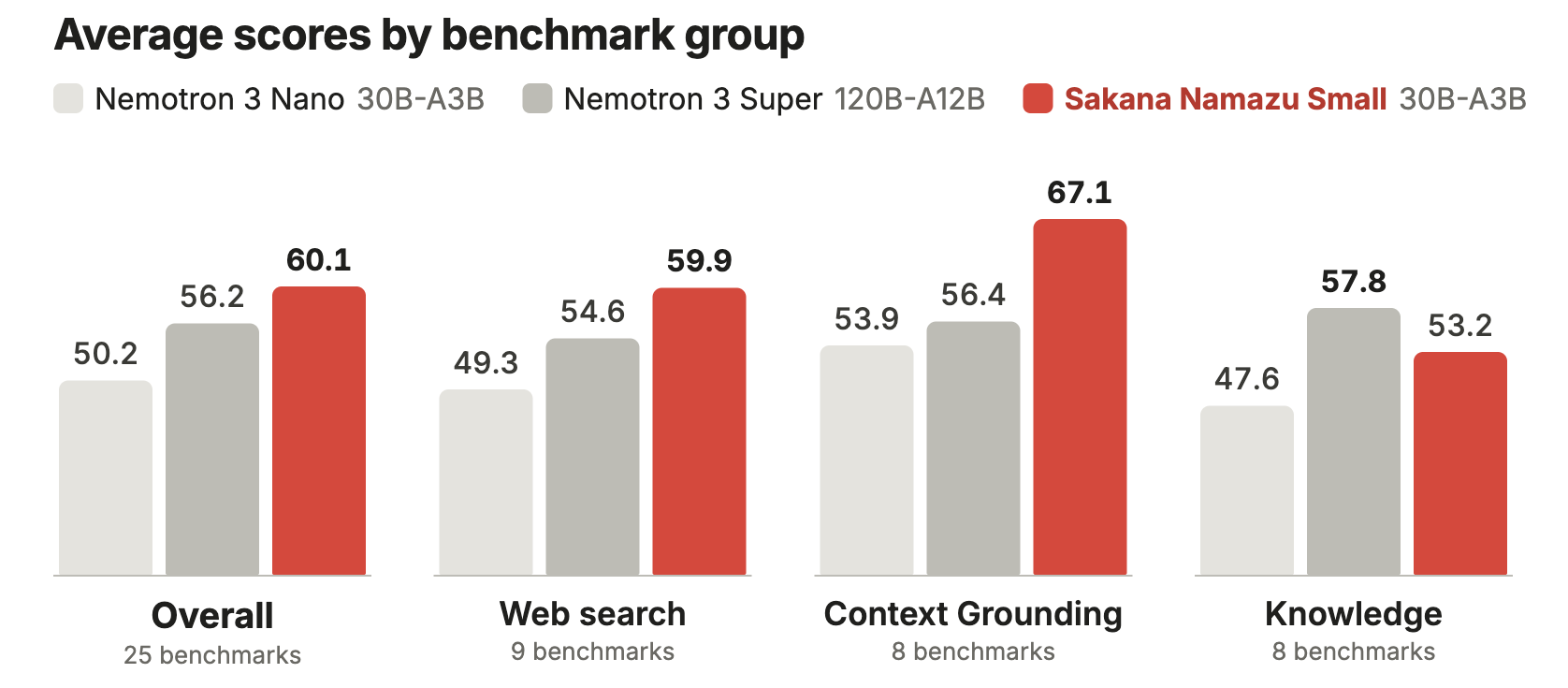
Sakana's 30B model outscores Nvidia's 4x-larger rival on 25 tests
It is built to search the web and read long documents, and it is small enough to run on hardware you already own.
 New modelsBaseten releases two new decision AI models that top a key benchmarkHerald of AI
Baseten releases two new decision AI models that top a key benchmark
Two new open-weight models give yes/no answers with confidence scores instead of writing text — useful for triage, routing and spam filters.
 New modelsLute-0, a new touch-powered robot model, handles snacks 98% of the time; Lute raises $20MHerald of AI
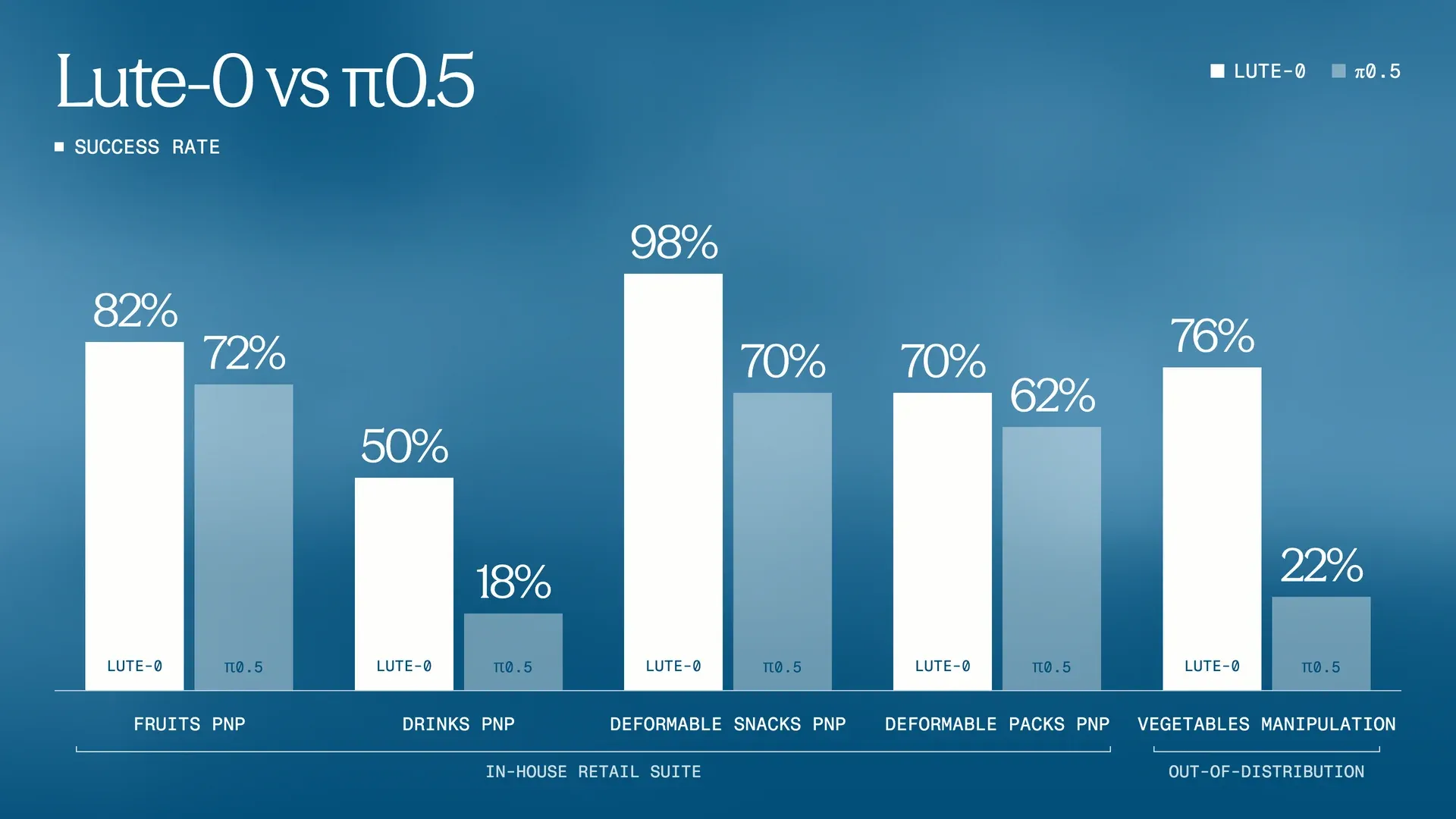
Lute-0, a new touch-powered robot model, handles snacks 98% of the time; Lute raises $20M
A Warsaw startup has released a robot AI that learns to handle objects by feeling them, not just seeing them, and says it matches or beats the leading open-source rival in real retail tests.