Why early AI was designed to be random — and why we stopped liking it
A historian at MIT shows that the 'hallucinations' in today's AI go back to the 1950s, when engineers deliberately built machines that could make creative mistakes.
What you could do with it
- A researcher could study how 'messy' creative thinking works by examining why a neural network produces unexpected answers 1.
- A company like OpenAI could tune down randomness in a chatbot so it gives safe, predictable replies instead of strange ones 1.
- A psychologist could use a neural network to observe the kinds of productive mistakes that happen inside a model of the brain 1.
A math-based escape from order
In the 1950s, a group of engineers and artists debated a simple question: can machines be creative? Some, like John Pierce, an electrical engineer at Bell Labs, believed the answer was yes — but only if you let machines make mistakes 1.
Pierce argued that math should be used to remove order from art, not reinforce it. By adding calculated bursts of randomness, a computer could break out of predictable patterns and produce something unexpected — which he saw as the spark of creativity 1.
This idea wasn't just philosophy. Researchers started building early neural networks — computer programs loosely inspired by how the human brain works — that deliberately included randomness. Psychologists in particular were excited because these models might let them study the "messy" processes inside the human mind 1.
How the goal for AI changed
From the MIT historian's account in Past and Present; names and claims come from the story.
Strange answers were the point
When we think of AI today, we usually picture systems like ChatGPT that give useful, correct answers. But the early pioneers valued these systems for exactly the opposite reason 1.
They already had machines that could give reasonable, expected answers. What excited them about neural networks was their ability to produce strange, surprising, even bizarre results — the kind of output that comes from creative, dream-like thinking 1.
These systems lived mostly in university laboratories, so a wrong or odd answer had no real-world consequences 1. That changed as AI moved from research labs into products people actually use every day.
The sanding down of strangeness
Today, companies like OpenAI and Anthropic deliberately tone down the randomness in their systems. Legal and financial risks mean a chatbot that occasionally makes up facts or gives unexpected answers is a liability 1.
Lindquist calls this a "sanding down" of strangeness — the creative unpredictability is still there at the core, but it is now largely suppressed 1. This is why modern AI sometimes still hallucinates: the randomness was never fully removed, just controlled.
The research appears in the journal Past and Present, and Lindquist argues that there will always be a trade-off between creativity and predictability in machines designed to mimic human thinking 1.
Key facts
- Early AI researchers in the 1950s intentionally added randomness to mimic human creativity
- Bell Labs engineer John Pierce argued math should remove order, not add it, to enable creative output
- Modern AI companies suppress this randomness due to legal and financial risks
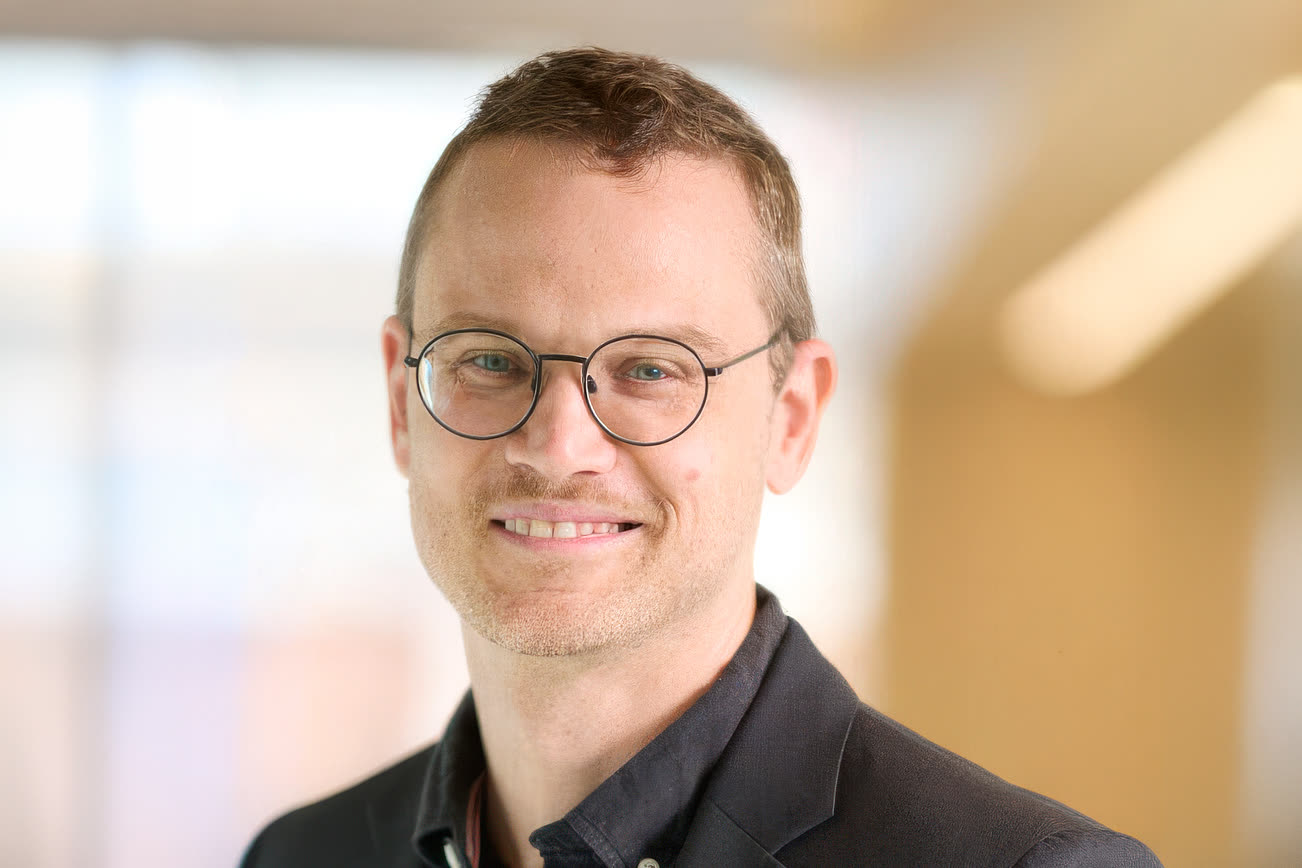
- The research was published in the journal Past and Present by MIT's Benjamin Lindquist
Sources
If this story concerns you or your company, or uses something that belongs to you, ask for a correction or for it to be taken down. How requests work
Keep reading
 How it worksOpenAI Releases 372 AI-Generated Math Proofs on GitHubHerald of AI
OpenAI Releases 372 AI-Generated Math Proofs on GitHub
The company is bypassing traditional journals, betting that formal verification can handle the flood of AI-produced mathematics.
 Business and rulesMirendil raises $1 billion to use AI agents for faster model developmentHerald of AI
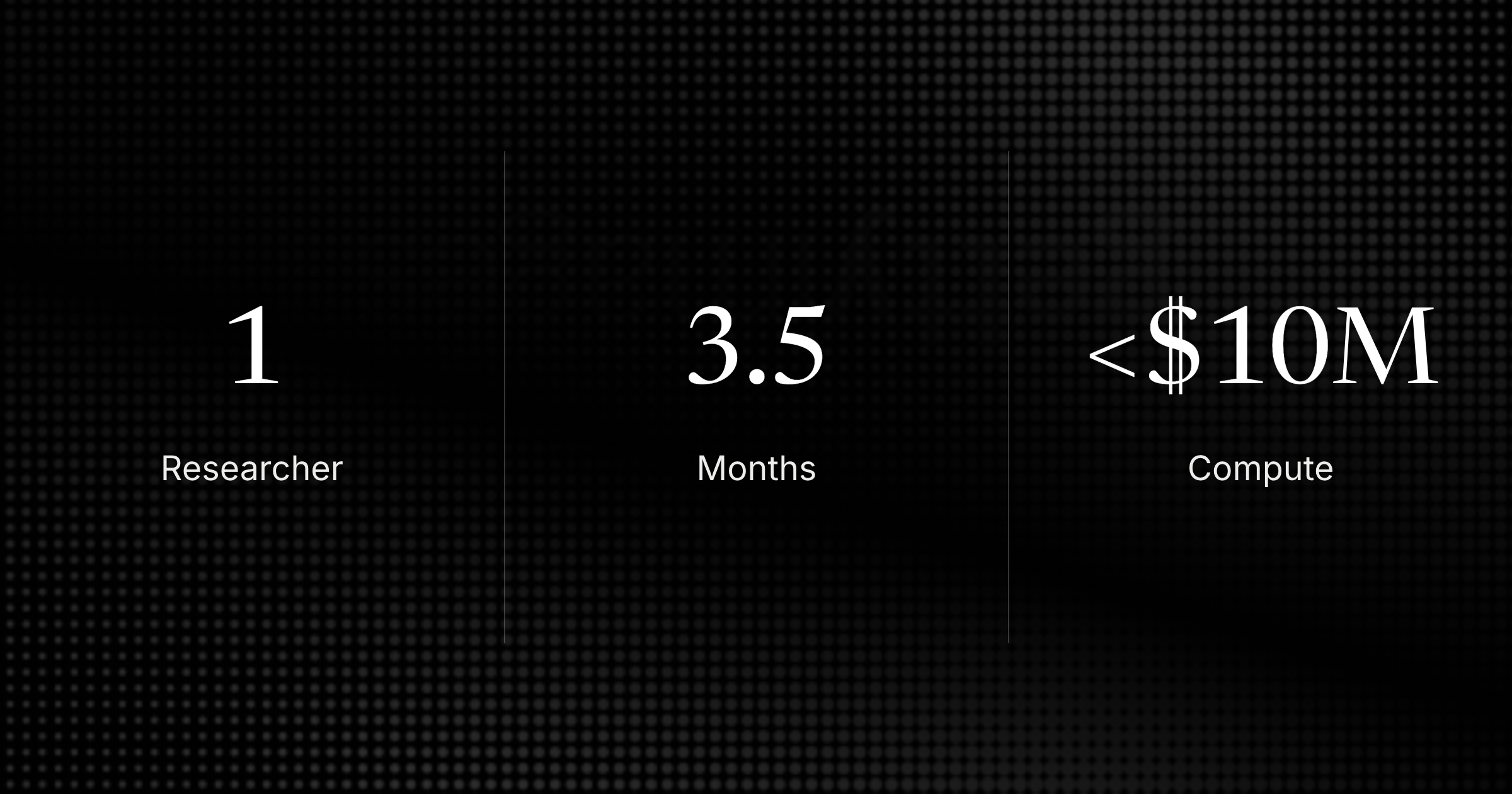
Mirendil raises $1 billion to use AI agents for faster model development
A new startup founded by former Google DeepMind and Anthropic researchers says its automated platform lets small teams build large AI models quickly and cheaply.
 The weekThis Week in AI Vulnerability, Tools, and BubblesHerald of AI
This Week in AI Vulnerability, Tools, and Bubbles
Chatbots cracked under kindness, stock fears grew, and open-source alternatives kept popping up.