AI designs a brand-new CPU that runs 4.6× faster per watt than modern chips
A team used AI to invent a whole new processor design from scratch — and it could change how every chip is built.
An AI-built processor design called Frostbite that runs nearly five times more work per unit of electricity than conventional CPUs.
- AI starts with no existing CPU ideas and explores everything from scratch
- It designs all layers, down to physical transistor layouts
- Tests it on unseen tasks to check real-world performance
- Produces Frostbite, a 4.6× better-per-watt CPU
What you could do with it
- Researchers could use AI systems to autonomously discover and verify entirely new processor architectures from scratch 1.
- Engineers and companies could apply AI-driven co-design methods to redesign future chip types including datacenter-grade CPUs, AI accelerators, networking switches and NICs 1.
- Hardware designers could leverage interaction-net-based architectures to eliminate expensive cache hierarchies and synchronization hardware found in conventional processors 1.
Picture: architectlabs.com
How it was made
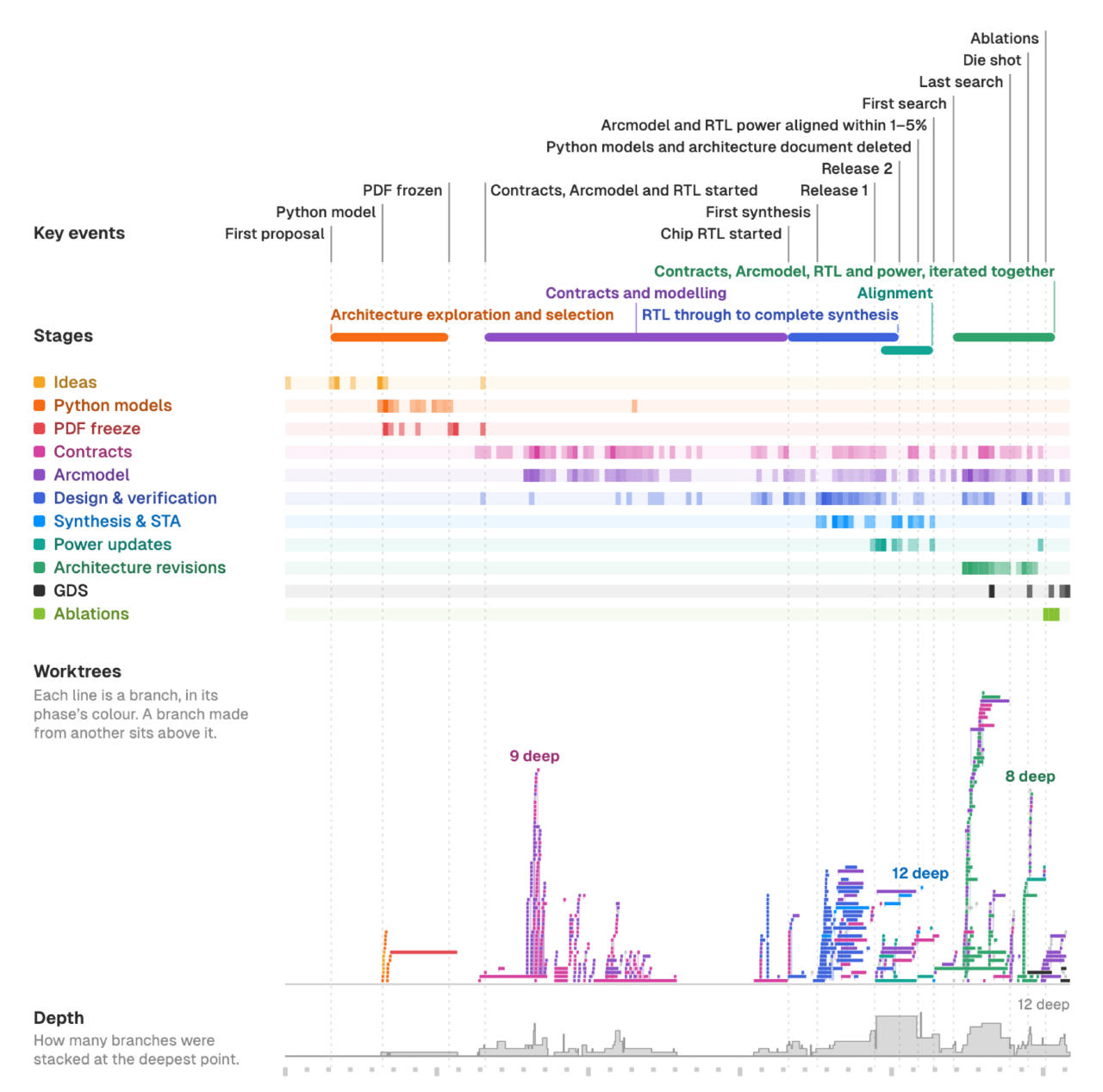
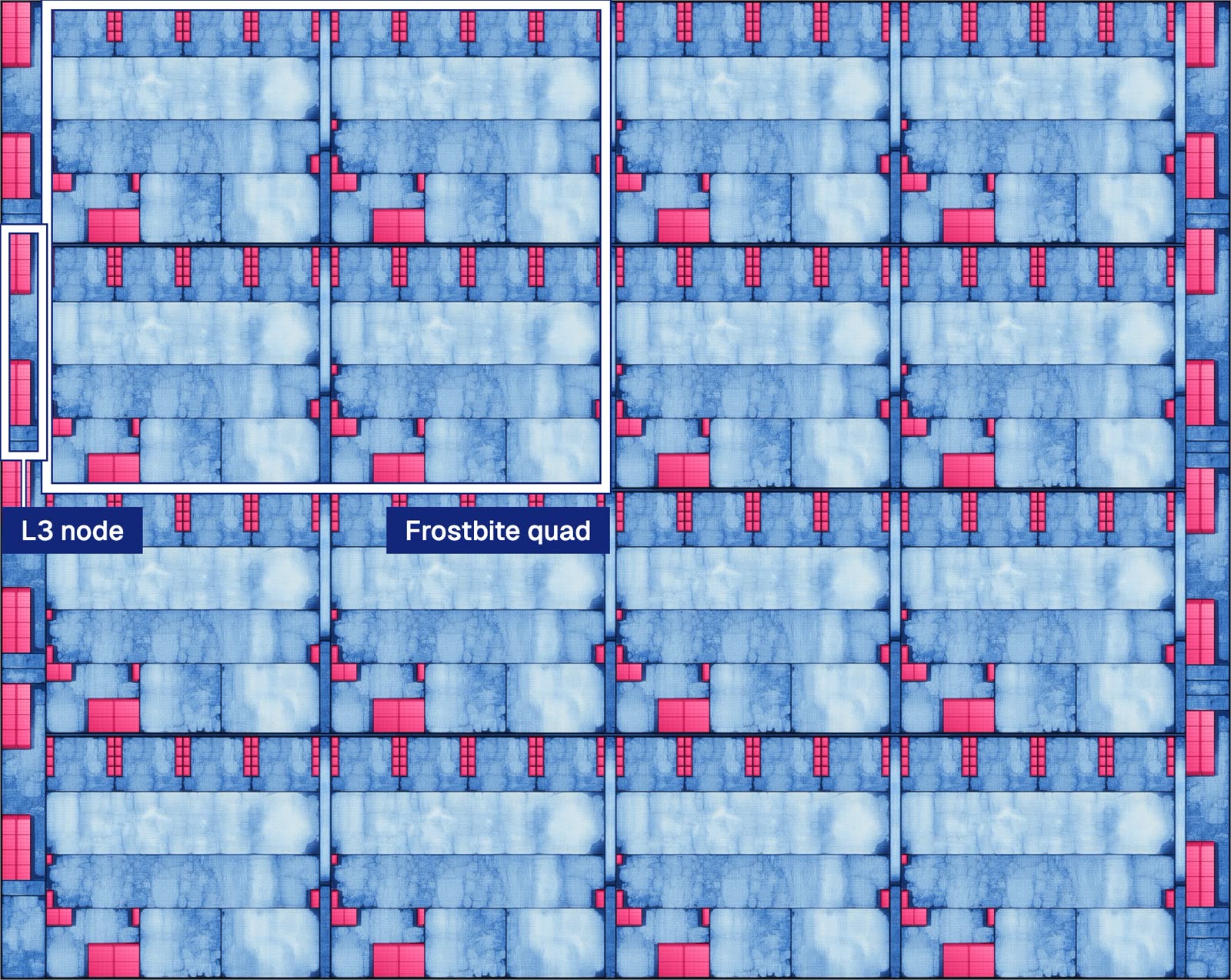
The team started from zero architectural assumptions, meaning no existing CPU design influenced the process 1. They gave their AI system complete freedom to explore every layer — from high-level programming concepts down to the physical layout of transistors, known as GDS (final chip drawings) .
To test the design, they chose 25 workloads — common computational tasks like sorting data, running mathematical filters, compressing files, and solving linear equations — splitting them into two groups: one used during development and another kept hidden until the final evaluation 1.
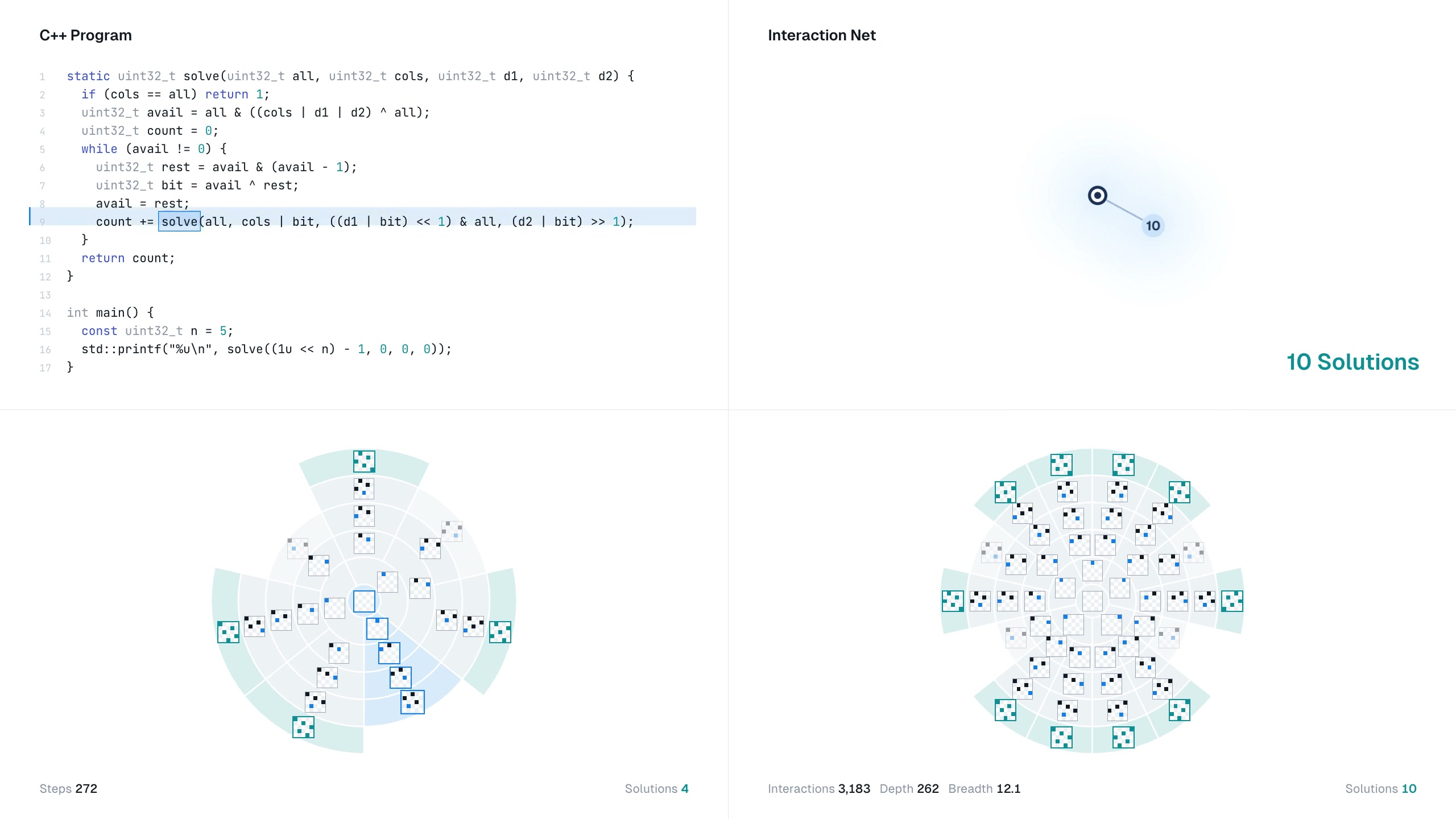
The AI produced Frostbite, a general-purpose CPU built on something called interaction nets 1. This is a way of representing programs as networks of connected nodes, where each piece of data has exactly one owner and every operation only touches a small local area . Because the dependencies between steps are always visible and nothing is shared between parts, many operations can run at the same time without causing conflicts .
In contrast, conventional CPUs must constantly guess which instructions depend on each other because modern programming languages hide these relationships behind shared memory 1. That guessing requires expensive hardware for cache management and synchronization .
The results
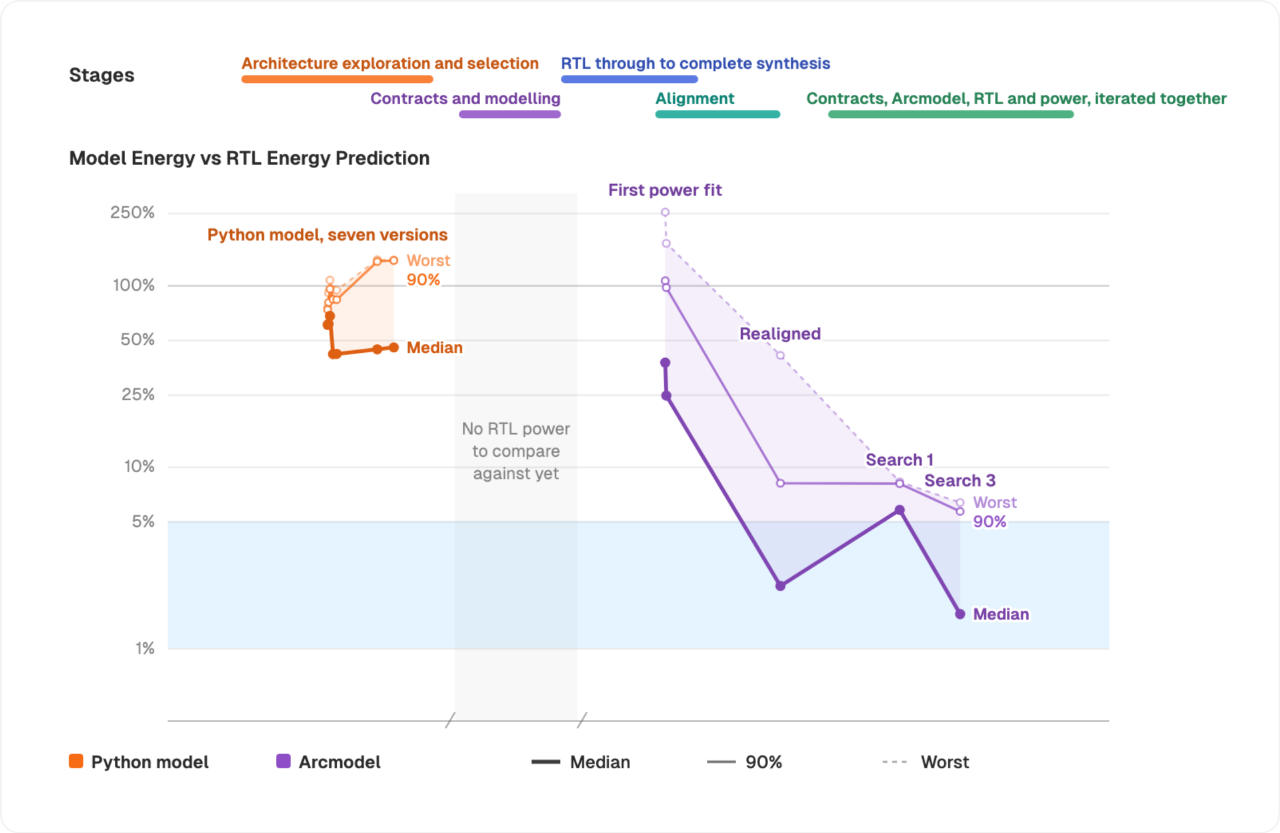
On the held-out workloads — programs the design had never seen before — Frostbite achieved 4.59 times better performance per watt compared to a modern in-order superscalar CPU core, the kind found in chips like Intel Xeon or AMD Zen processors 1. Performance per watt measures how much useful work a chip does for each unit of electrical energy it consumes .
The researchers also found novel hardware implementations and runtime features inside the design that would have been very difficult for human architects to discover through conventional exploration 1.
The full workload list included FFT (fast Fourier transform), radix sort, LU decomposition, a Kalman filter, principal component analysis (PCA), finite element analysis, LZ4 decompression, and others grouped by whether they expose parallelism, sequential chains, branching logic, or recursion 1.
Picture: architectlabs.com
Picture: architectlabs.com

Picture: architectlabs.com
Why this could matter beyond one chip
The team argues that while single-core CPU performance has stagnated since the early 2000s — pushing the industry toward multicore designs with enormous cache hierarchies — AI-driven co-design opens up a previously inaccessible space of possibilities 1. They expect similar fundamental shifts across all classes of silicon, including datacenter CPUs, AI accelerators, network switches, and NICs (network interface cards) .
Key facts
- Frostbite is a CPU architecture invented entirely by AI, with no prior design assumptions
- It achieves 4.59× better performance per watt versus modern in-order superscalar cores
- Tests covered 25 workloads, 15 of which were held out until final evaluation
- It is based on interaction nets, where data has a single owner and operations are fully local
- ArchitectLabs says the same approach could redesign datacenter CPUs, AI chips, and network hardware
Sources
If this story concerns you or your company, or uses something that belongs to you, ask for a correction or for it to be taken down. How requests work
Keep reading
 How it worksAI designed a brand-new CPU that beats conventional chips 4.5 times better on power useHerald of AI
AI designed a brand-new CPU that beats conventional chips 4.5 times better on power use
Architect Labs says its AI system discovered and built a completely new CPU architecture from scratch, promising a dramatic jump in efficiency that could change how computer chips are made.
 How it worksNew paper says many AI failures come from missing context, not weak modelsHerald of AI
New paper says many AI failures come from missing context, not weak models
A researcher argues the next practical step in making AI reliable is not bigger models but better information delivery to the model at the moment it acts.
 How it worksEngram researchers found a way to predict how big a LoRA adapter needs to be for any datasetHerald of AI
Engram researchers found a way to predict how big a LoRA adapter needs to be for any dataset
A practical guide so anyone who fine-tunes models spends less time guessing hyperparameters and more time training.