SK Hynix warns memory chip shortage will last until 2030 as AI gobbles up supply
If you're buying a new PC or laptop soon, expect to keep paying higher prices — computer memory shortages are unlikely to ease for years.
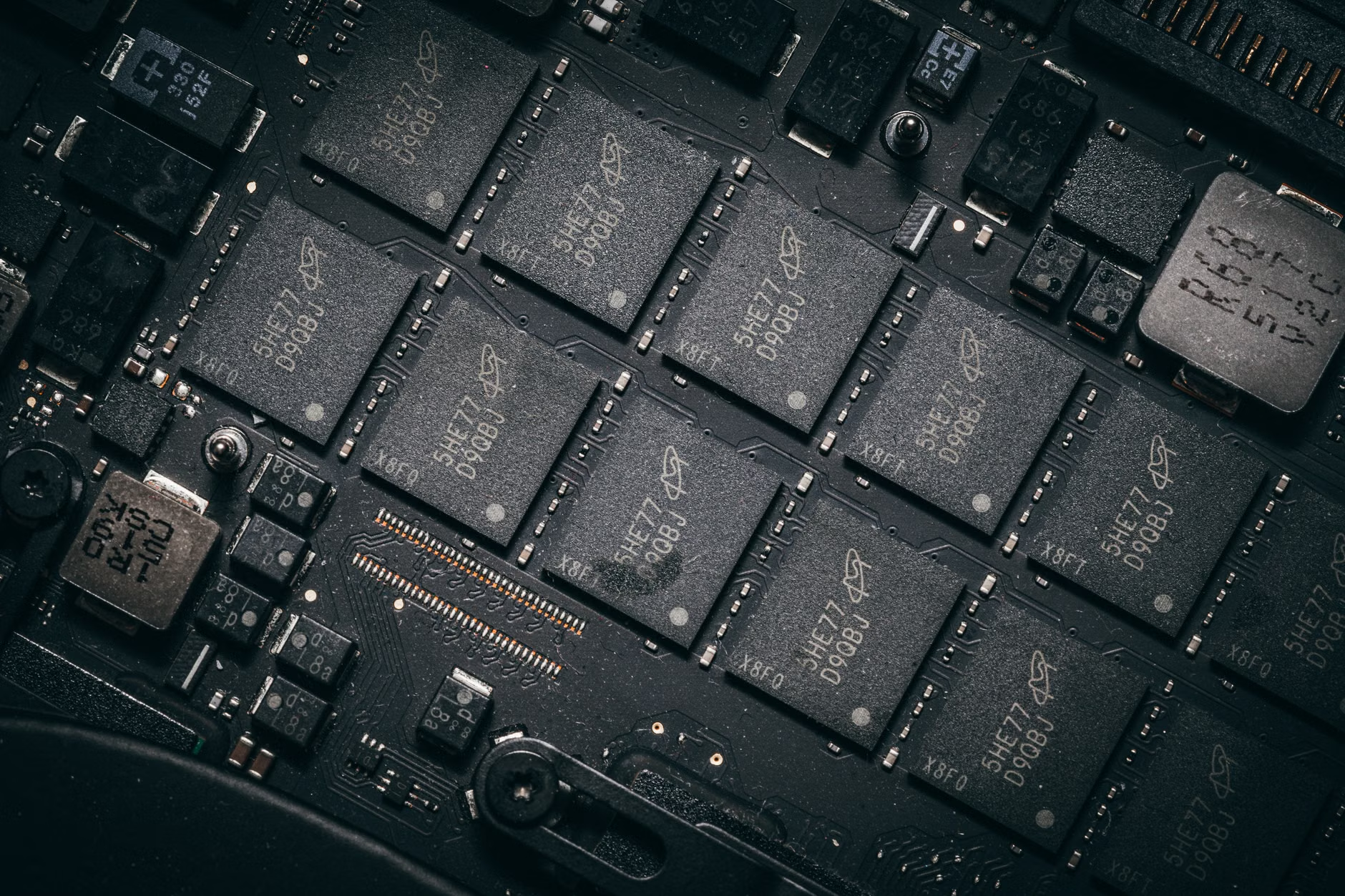
How it works
SK Hynix is a company that manufactures memory chips used in computers, phones, and AI data centers.
- AI data centers order huge amounts of memory chips
- Chip makers redirect production to AI contracts
- Prices for computer memory jump 200 to 400 percent
- New PCs and laptops cost 15 to 20 percent more
What you could do with it
- A computer buyer could expect to pay 15 to 20 percent more on a new PC or laptop because memory costs have surged 200 to 400 percent since 2025 2.
- An AI data center builder could secure massive amounts of DRAM for its servers while competing with consumer buyers for the same limited supply 2.
- A semiconductor manufacturer could redirect production lines toward lucrative AI data center contracts instead of chips for consumer computers, as SK Hynix is doing 1.
Why your next computer will cost more
SK Hynix published its financial results for the third quarter of its 2026 fiscal year and the numbers were staggering. Revenue hit 104.6 trillion won, or about $78 billion, with operating profit of 83.3 trillion won and net profit of 39.8 trillion won 1. That made history — it was the first time the company ever crossed 100 trillion won in a single quarter .
But buried in those upbeat figures is a message that should worry anyone who shops for electronics: SK Hynix expects the ongoing memory chip shortage to continue through 2030 12. New chips are pouring into data centers to fuel the AI boom, and there simply aren't enough being made for everyone else .
Who is using all the memory?
Artificial intelligence is the main reason. A 2026 analysis by Kearney found that AI infrastructure projects are consuming memory at an extraordinary rate, and demand is still climbing 2. Companies building AI data centers need massive amounts of DRAM to run their systems, and manufacturers like SK Hynix are redirecting their production lines toward those lucrative contracts instead of the chips that go into your laptop or desktop 1.
The effect is dramatic. One report noted that OpenAI alone may consume roughly 40 percent of the entire world's DRAM supply 2. Prices for both DRAM and NAND flash have surged between 200 and 400 percent since the shortage began in 2025, a situation some outlets have nicknamed "RAMmageddon" . For computer makers, those higher memory costs translate into 15 to 20 percent price increases on finished products .
What happens next
SK Hynix called the current situation a "virtuous" cycle for its own business — high prices and heavy demand are making record profits 1. The company plans to accelerate construction of new chip plants in South Korea and the United States, but those facilities will likely take years to come online .
In the meantime, the company acknowledged that customers will simply have to endure the DDR5 memory shortage for several more years 1. Other industry leaders have offered similar timelines: Micron's CEO expected conditions to improve gradually by 2028, while Samsung executives also projected shortages running through 2028 2.
SK Hynix is looking further ahead, pointing to growing investment in everything from chatbots and enterprise AI tools to self-driving cars and robotics as reasons demand will keep rising well past the end of the decade 1.
This story reports on a trend for information only. It is not advice or encouragement to do any of it.
Key facts
- SK Hynix expects the memory chip shortage to persist through at least 2030
- DRAM and NAND flash prices have risen 200–400% since 2025
- SK Hynix posted record $78 billion quarterly revenue in Q3 2026
- OpenAI reportedly consumes around 40% of global DRAM supply
- PC makers face 15–20% cost increases due to memory shortages
Sources
- SK Hynix expects memory chip shortage to persist until at least 2030 — techspot.com
- 2025–present global memory supply shortage — en.wikipedia.org
Keep reading
 How it worksChrome can now pull info from your Gmail to fill out online forms automaticallyHerald of AI▶How it works
Chrome can now pull info from your Gmail to fill out online forms automatically
Google's AI-powered Autofill in Chrome can scan your Gmail for details like order numbers, addresses and flight info, so you don't have to type them in.
 How it worksThinkBit Two-bit compression keeps AI reasoning sharp while cutting inference costs 8×Herald of AI▶
 How it worksA new Git tool records human–AI decisions so you don't lose the reasoning behind themHerald of AI
 How it worksTest shows top AI agents fail at personalizing phone tasks for youHerald of AI