Google opens its AI detector to everyone, worldwide
SynthID Detector launches globally so anyone can check if media was made with AI from Google or partner companies.
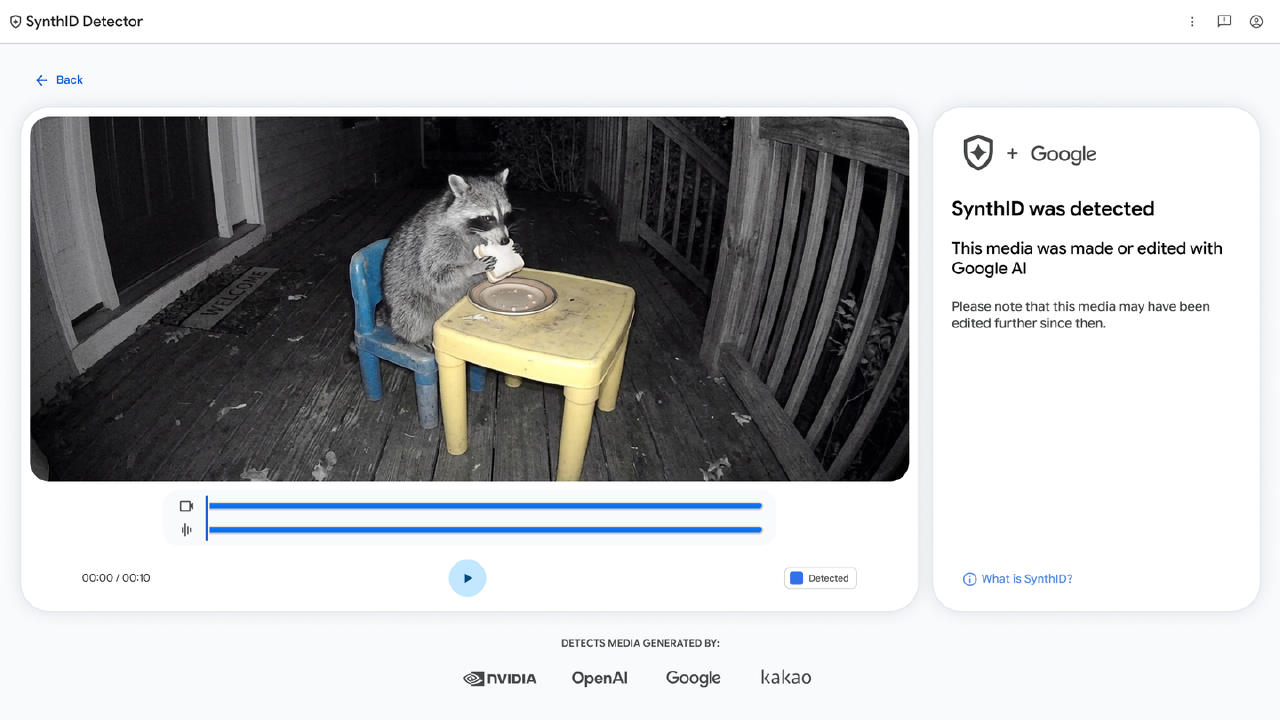
A new way to spot AI media
Google has launched its SynthID Detector to everyone, everywhere, in English. The free online tool lets you upload an image, video, or audio file and find out if it was made using artificial intelligence 1.
The detector checks for an invisible watermark called SynthID. These watermarks are built into AI-generated content so people can later verify what is real and what is not. Google says over 180 billion images and videos, plus 240,000 years of audio, have already been watermarked 2.
Not just Google anymore
One of the biggest changes is that the detector now works with AI content from companies beyond Google. It can check media made with tools from OpenAI, NVIDIA, and Kakao. Apple is also expected to join soon, according to reports 3.
This matters because AI-generated images, videos, and voices are getting so realistic that it is harder to tell what is fake. AI voices can now laugh, whisper, and pause naturally. They can even carry emotion in a way that fools listeners 1.
Already inside Google tools
The detector is not the only place where this verification lives. Google has built similar checks directly into Google Search, Chrome, and the Gemini app 2. Gemini can inspect both the visual and audio parts of a video for watermarks. Google says these built-in tools now handle over one million requests every day .
What the tool can and cannot do
The detector is a useful help, but it is not perfect. It can only identify media that carries the SynthID watermark. That means a file without a mark is not automatically real 1.
Still, giving everyday people a simple way to check media is a step forward. As AI content becomes more common online, having tools to verify what you see and hear matters more than ever.
Corrections and updates
- Corrected on 23 October 2026. An earlier version claimed Microsoft and Meta had their own watermark standards with unreliable tools; the sources do not mention those companies or any such criticism.
Key facts
- Google launched SynthID Detector globally on October 7, 2026
- Over 180 billion images and videos plus 240,000 years of audio have been watermarked
- The tool works with AI content from OpenAI, NVIDIA, Kakao, and soon Apple
- Google handles over 1 million verification requests daily across all its tools
Seen on social
SynthID Detector is now available to everyone. 🌐 Check whether online content was generated using @GoogleAI , or with tools from our industry partners – including @OpenAI , @NVIDIA , Kakao and coming soon, @Apple . Try it out → https://t.co/cPW2aNnqr6 pic.twitter.com/TGYA0uZ0dx
— Google DeepMind on X, see the post
Sources
- Google’s SynthID Detector just launched globally to help you spot AI-generated media — digitaltrends.com
- Google expands SynthID Detector for AI content - The Keyword
- Google's new SynthID website can identify AI-generated media — techcrunch.com
- Google's SynthID AI detector will work with Apple's models 'soon' — 9to5google.com
- Google Opens SynthID Detector Globally With Partner AI Content Checks — unite.ai
If this story concerns you or your company, or uses something that belongs to you, ask for a correction or for it to be taken down. How requests work
Keep reading
Apple UK iPhone users miss boosted Siri AI access with iCloud +
Britain is excluded from the free upgrade that lets most iCloud+ subscribers use heavier Siri AI tasks more often.
 Apps and productsApple launches a free app so people can test and shape AI health tools before they reach everyoneHerald of AI
Apple launches a free app so people can test and shape AI health tools before they reach everyone
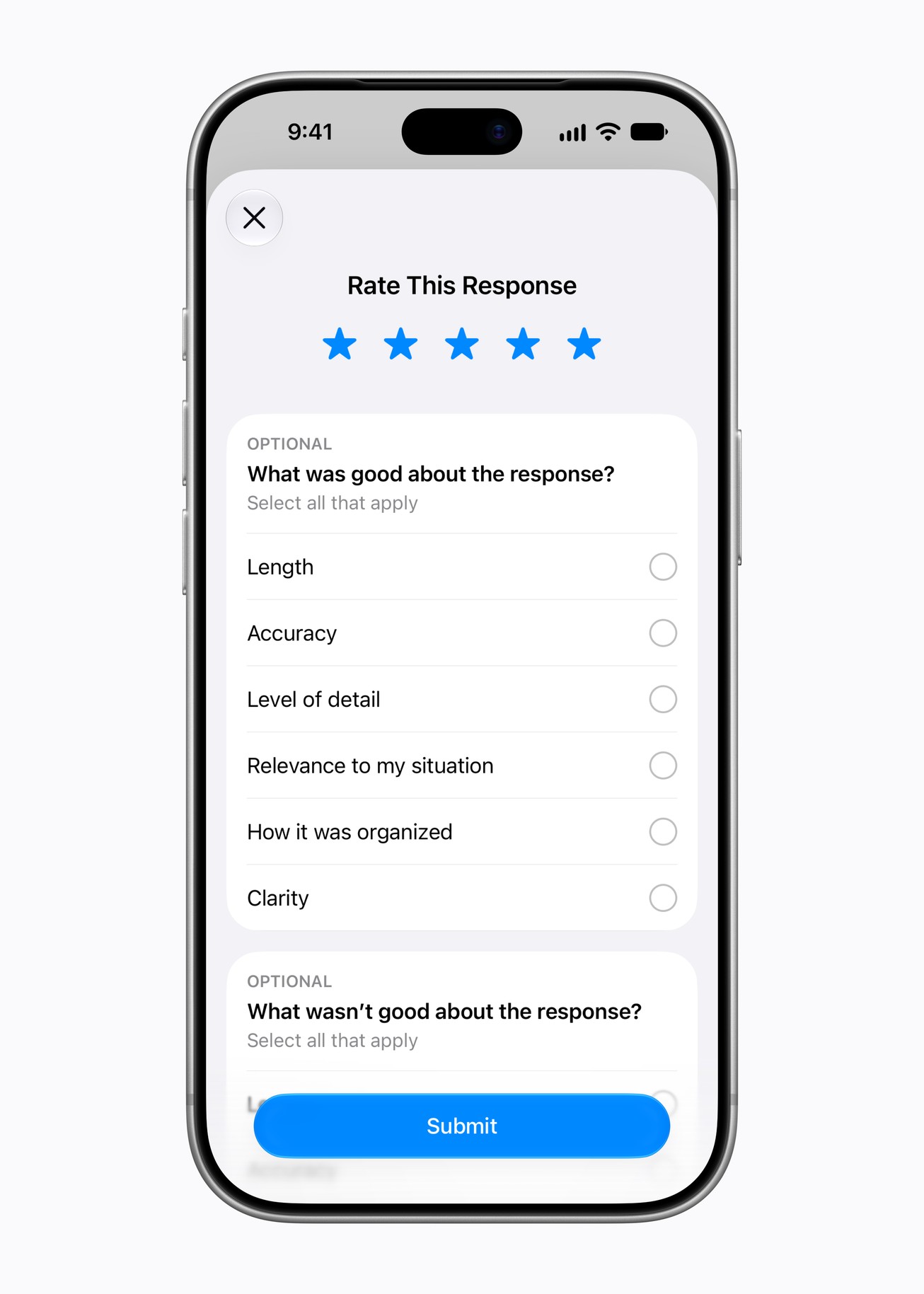
A new Apple study lets anyone with a recent iPhone chat with an AI health assistant and rate its answers — helping Apple build better tools for real people.
 Apps and productsDyania's Synapsis AI reads 16 years of patient charts on hospital servers at Cleveland ClinicHerald of AI
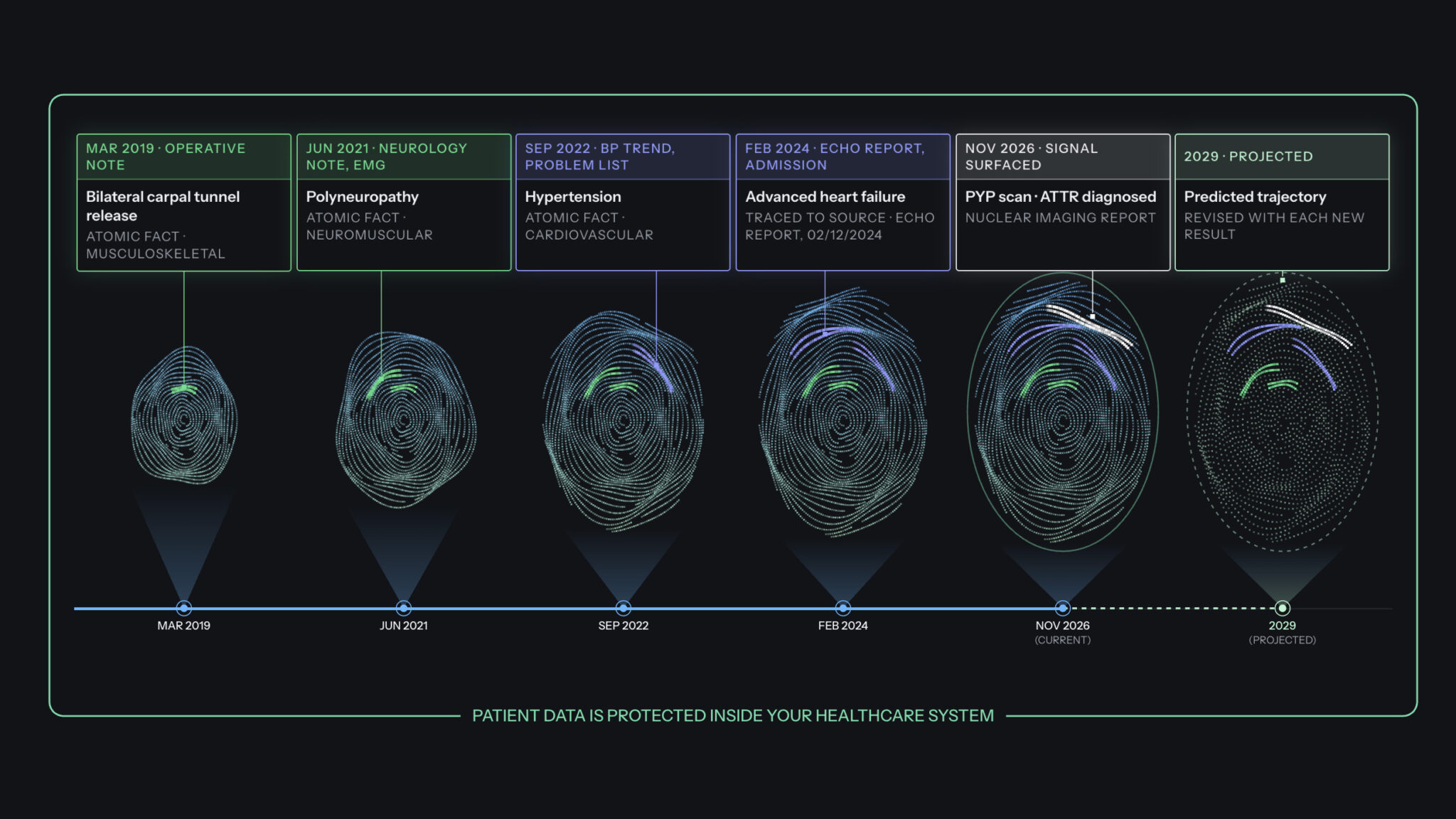
Dyania's Synapsis AI reads 16 years of patient charts on hospital servers at Cleveland Clinic
An AI tool that can search through years of handwritten doctor notes inside hospital walls — doctors still decide everything.