MIT is studying how AI is reshaping thinking, learning, and human connection
A growing team of MIT scholars is asking big questions about AI's impact on education, democracy, and creativity — not just building the next chatbot.
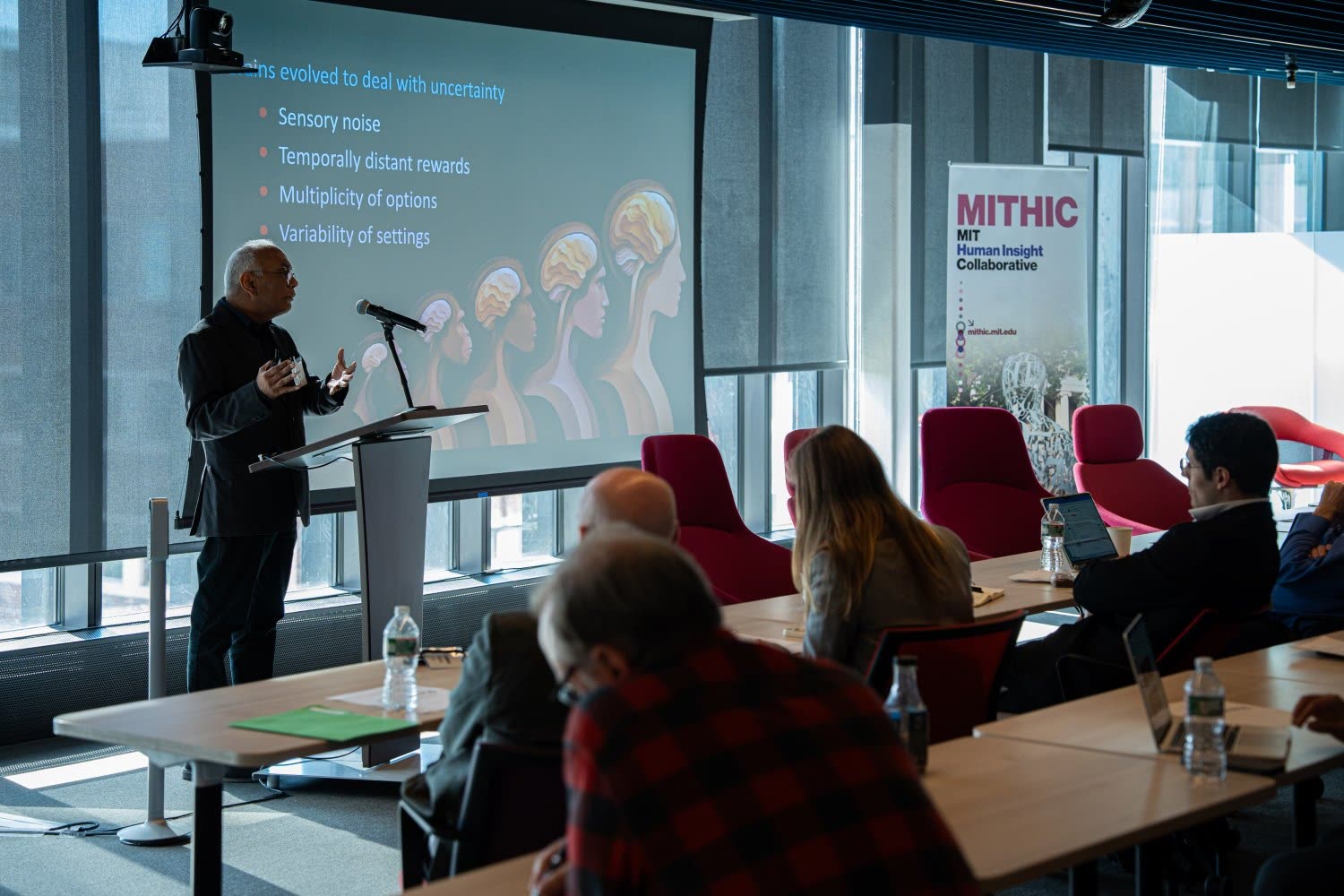
What students are already feeling
MIT recently released a report on how AI is affecting student life, and the numbers painted a concerning picture. Attendance at office hours by students has decreased Their engagement with problem sets and peer collaboration has both declined 1
That shrinking of classroom friction — those moments when students debate ideas, challenge professors, and push back against teaching assistants — is exactly what some MIT faculty worry about losing. 1
"The report wasn't saying that AI is here and we all need to adapt," said Seth Mnookin, a science writing professor and co-lead of the initiative. "It was saying that we need to be asking more fundamental questions." 1
He compared the moment to 1941, when U.S. scientists and engineers helped shape the outcome of World War II. The difference now, he said, is that "the questions that matter most can't be answered by technologists alone. That's where the humanities, arts, and social sciences come in." 1
Money behind the questions
Launched in 2024, the MIT Human Insight Collaborative (MITHIC) has already supported 67 projects across 31 different MIT departments, handing out $5.5 million in total funding. Roughly one third of those projects focus specifically on AI, society, and humanity. 1
The collaborative pairs scholars from the School of Humanities, Arts, and Social Sciences with researchers in engineering, computer science, and other technical fields — making sure the conversation includes both sides. 1
"When we refer to AI and society, we're not only speaking about individual ethical decision-making or how to retrain workers," said Heather Paxson, a professor of anthropology. "We're looking at how AI is reshaping sociality, how we relate to one another." 1
A few experiments already underway
Several projects have grabbed public attention. Political scientists Adam Berinsky, Charles Stewart III, and Chara Podimata studied how voters in Alaska's midterms used Anthropic's AI model, Claude, to research candidates. Research reveals that individuals researching electoral candidates through Anthropic's Claude AI system may have encountered insufficient details regarding political figures and positions 1 The work was featured in The New York Times.
Another pair, Eric Klopfer and Pawan Sinha, are running an experiment that could go either way — is generative AI helping humans think harder by doing some of the cognitive work for us, or is it turning our brains into passive consumers of ready-made answers? They held a campus event called "AI and the Brain" to gather experts on the question. 1
In music, Anna Huang and Joe Paradiso are asking something even weirder: what happens when human composers and machine-learning systems improvise together in real time? Musicians, engineers, and ethnomusicologists meet regularly to test frameworks, discuss authorship, and figure out what it means to make art alongside an AI partner. 1
A new undergraduate concentration in Computing and Society now exists at MIT, offering courses ranging from the ethics of technology to games and culture to data and democracy. 2
Why you might notice this soon
You probably won't see a press release about a new chatbot coming out of MITHIC. But the questions it's asking — about who gets heard in democracy, how creative work changes when machines join in, whether students actually learn better with AI or worse — could eventually reshape how schools teach, how campaigns run, and how artists work. That influence tends to arrive quietly, years after the first grant check is written. 12
Key facts
- MITHIC launched in 2024 and has funded 67 projects across 31 MIT units for $5.5 million
- About a third of MITHIC projects focus on AI, society, and humanity
- An MIT report found students attend fewer office hours and spend less time on problem sets since AI arrived
- Researchers found Alaska midterm voters using Claude may have received incomplete candidate information
- MIT now offers a Computing and Society concentration for undergraduates with courses on AI ethics, data, and democracy
Sources
If this story concerns you or your company, or uses something that belongs to you, ask for a correction or for it to be taken down. How requests work
Keep reading
 Made with AIMIT celebrates humanities at a time when AI is changing everythingHerald of AI
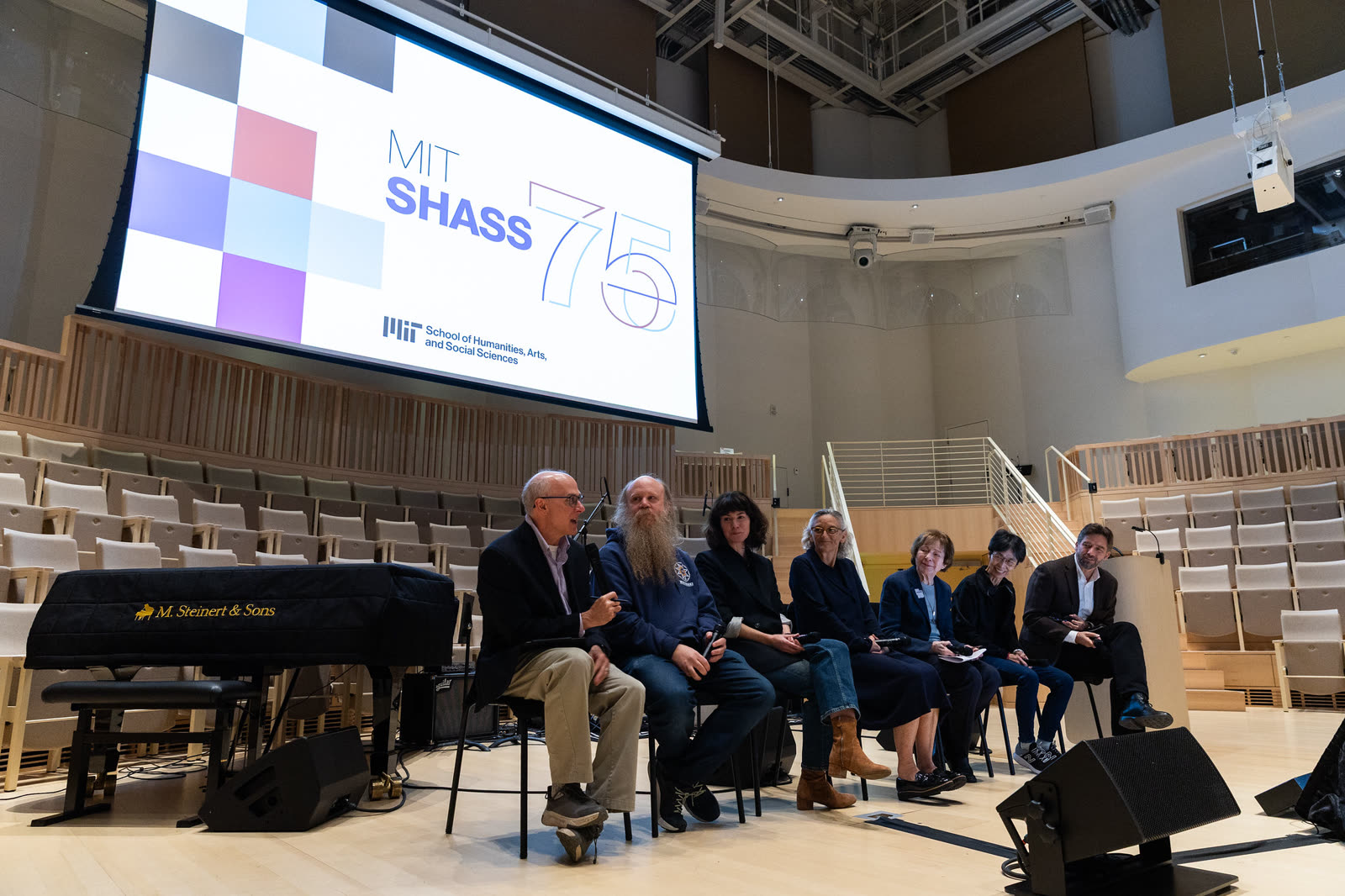
MIT celebrates humanities at a time when AI is changing everything
At MIT's 75th anniversary for its humanities school, leaders said human insight matters more than ever as AI reshapes the world.
 Apps and productsNew AI plugin lets Claude design PCB boards inside KiCad 10Herald of AI
New AI plugin lets Claude design PCB boards inside KiCad 10
Konnect is a free open-source plugin that lets an AI assistant place components, route circuits and export manufacturing files directly inside KiCad.
 Apps and productsAnthropic launches free AI scanner to protect open-source codeHerald of AI
Anthropic launches free AI scanner to protect open-source code
The new tool automatically finds security flaws in open-source projects so maintainers can patch them before attackers exploit them.