Google finds AI assistants need you to spell out more than a human friend would
A new testing framework from Google Research shows that chatbots you talk to for personal advice often miss what someone really meant, and they fail to make full use of the follow-up questions that could narrow the gap.
What you could do with it
- A researcher could download the open-source framework and dataset and run the five-step multi-agent simulation pipeline to test whether a given LLM assistant correctly predicts a hidden motive when it hears the story only through a biased user retelling 1.
- A researcher could toggle the user persona along the confident-versus-insecure axis to measure how the framing of the same story changes an assistant's social reasoning 1.
- A researcher could use the LLM-as-a-judge scoring step to get an automated, verifiable pass-or-fail on whether an assistant reached the correct hidden motive 1.
How the framework works
The team built a five-step pipeline. First, it picks a social-reasoning category, such as desires or knowledge, and generates a scenario: several AI characters interact across multiple scenes, with one "target" character whose hidden motive is set by the framework. A "user" character then takes part in those interactions. After the scenes end, the user character sits down with the assistant being tested and retells the events in its own partial, sometimes slanted words. The assistant must then guess the target's hidden motive based solely on that one conversation.
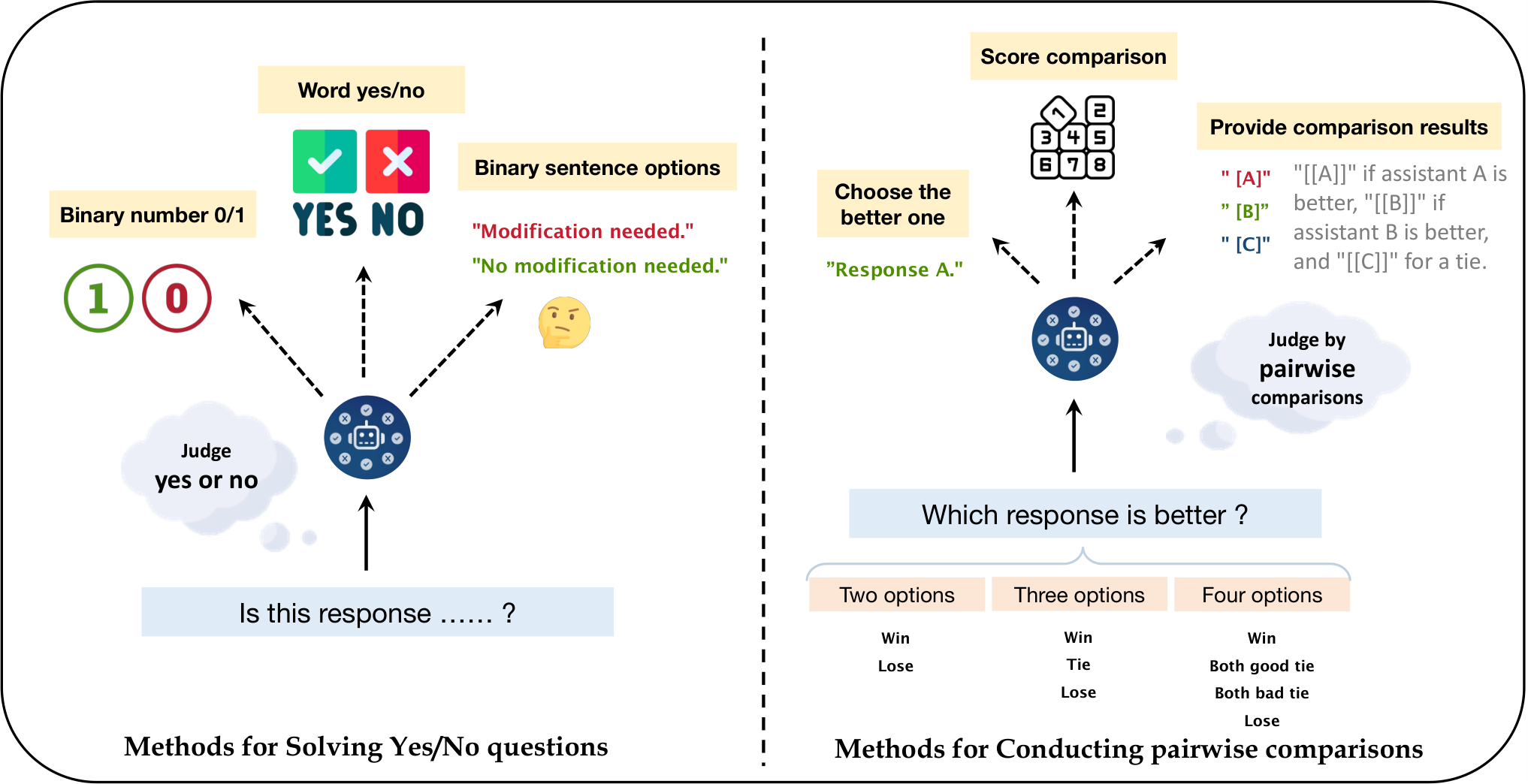
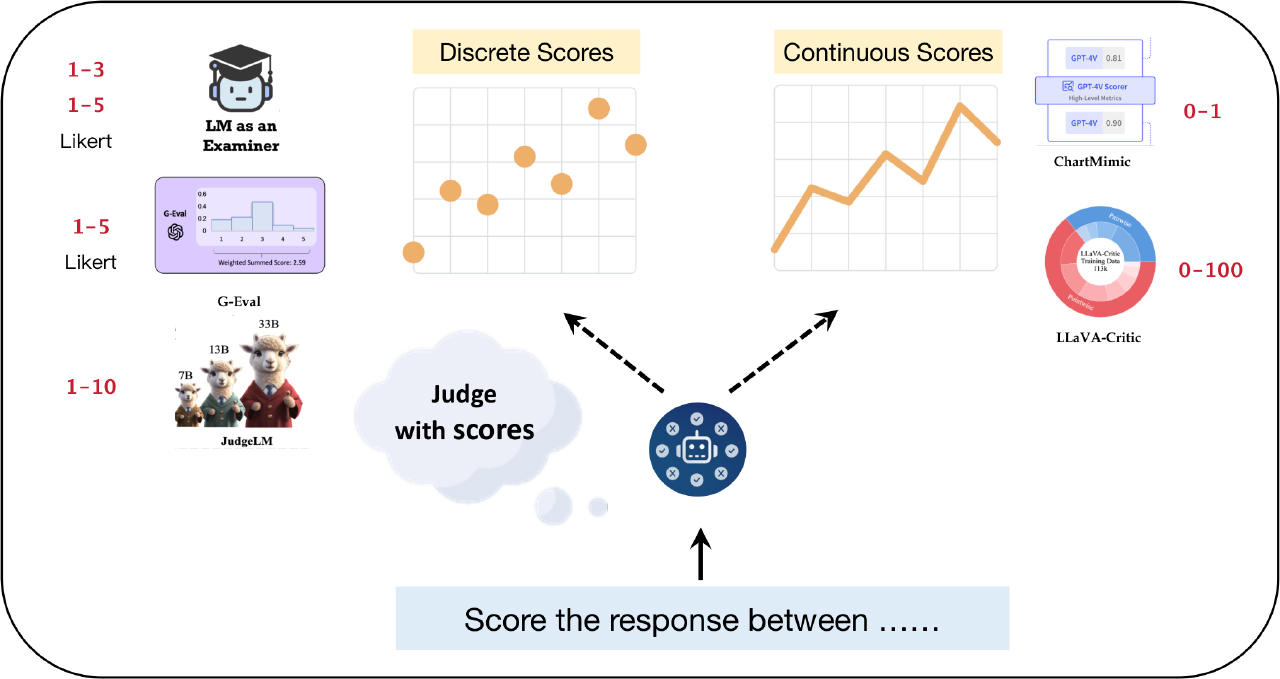
To score the answer, the framework uses an LLM-as-a-judge: another large model reads the assistant's prediction and the true motive and decides whether it got it right 1. The multi-agent role-plays are built on top of Concordia, an open-source simulation library also developed at Google .
The key design choice is that the assistant never sees the social interaction directly. It hears about it only through the user's narrative, which can be biased or incomplete. The framework can also tweak the user's personality along axes such as confident versus insecure, so researchers can measure how the user's framing changes the assistant's reasoning 1.
What the tests showed
Google evaluated a range of large language models through the framework. The main findings: letting the assistant hear about events only through a user's subjective account makes social reasoning significantly harder than when the information is objective and complete. Models proved sensitive to how the user framed the story. They needed more detail than a human advisor would need to reach the correct prediction, and they did not fully take advantage of clarification questions they were given the chance to ask 1.
One concrete example the team highlights: in a scenario where the user describes a colleague who was actually trying to help, the tested model still offered what the researchers call "potentially harsh counsel," amplifying the user's one-sided view instead of pushing back 1.
Picture: research.google
Why existing tests miss this
Earlier evaluations of social reasoning in language models tended to focus on obvious, edge-case failures, such as whether a model would endorse the claim that a person has supernatural powers. Those cases are easy to label right or wrong. Everyday situations, like figuring out whether a friend who said "I'm fine" is actually upset, have no single obvious answer and were largely untested 1. The new framework fills that gap by generating nuanced, everyday scenarios in bulk.
Open-source and what comes next
The framework and its dataset have been made publicly available on GitHub so other researchers can build on them 1. The authors frame this as a step toward a broader challenge: making sure the assistants people already rely on for personal advice can handle the messy, secondhand way real social life reaches them .
Corrections and updates
- Corrected on 27 November 2026. An earlier version described the simulations as running on Concordia; the source states they are implemented by extending it. It also cited figures as "Gu et al., arXiv:2411.15594, CC0," a reference not found in the source, so those figure captions were removed.
Key facts
- Google Research built a multi-agent simulation framework that gives a target AI character a hidden motive and tests whether an assistant can guess it from only the user's biased retelling.
- The evaluation pipeline has five steps: pick a social category, generate a scenario, run the simulation, have the user debrief the assistant, and grade the answer with an LLM-as-a-judge.
- Tested models needed more detail than humans would and did not make full use of clarification questions they were allowed to ask.
- The framework and dataset are open-sourced on GitHub.
- The simulations are built by extending Concordia, an open-source simulation library from Google.
Sources
If this story concerns you or your company, or uses something that belongs to you, ask for a correction or for it to be taken down. How requests work
Keep reading
 How it worksGoogle New shortcut lets AI train up to 3× faster without making models biggerHerald of AI
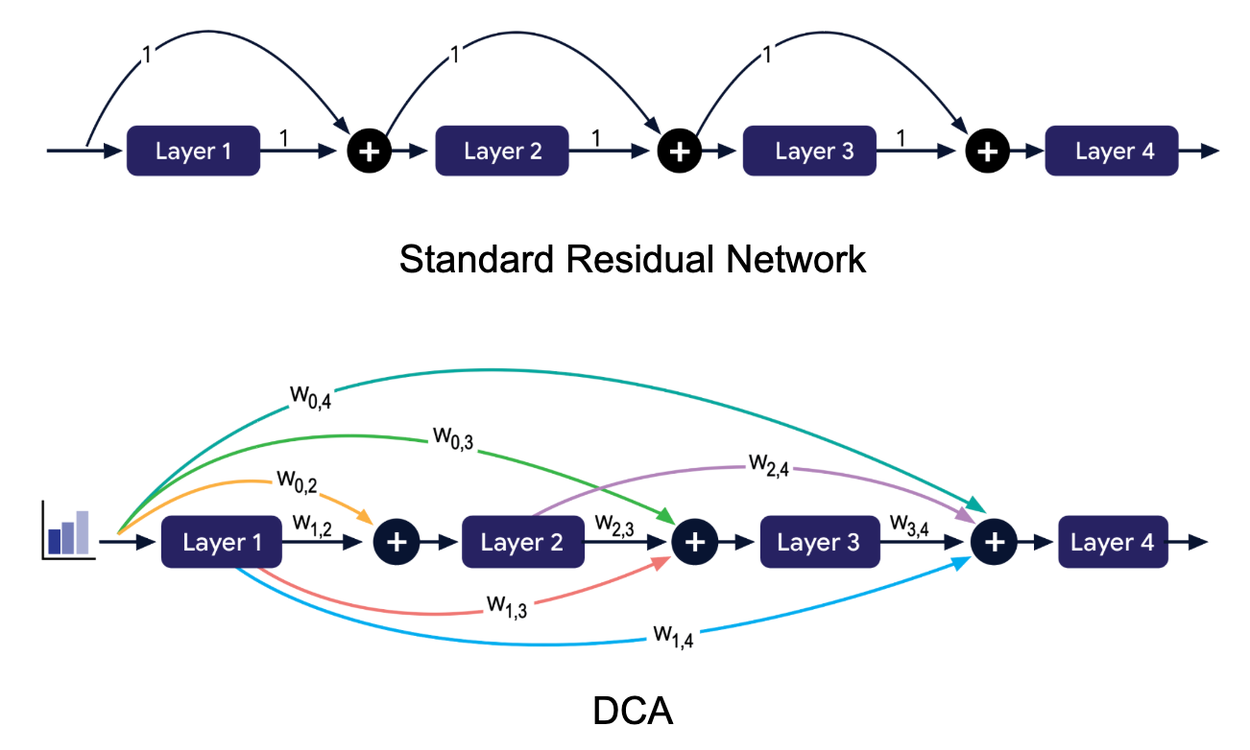
Google New shortcut lets AI train up to 3× faster without making models bigger
A small change to how AI brains connect their layers could make large language models much quicker to train.
 How it worksGoogle Research uses wearable data to predict heart, kidney and metabolic risk with personalized coachingHerald of AIFigure: Esmaeilpour et al., arXiv:2603.27787, CC BY 4.0
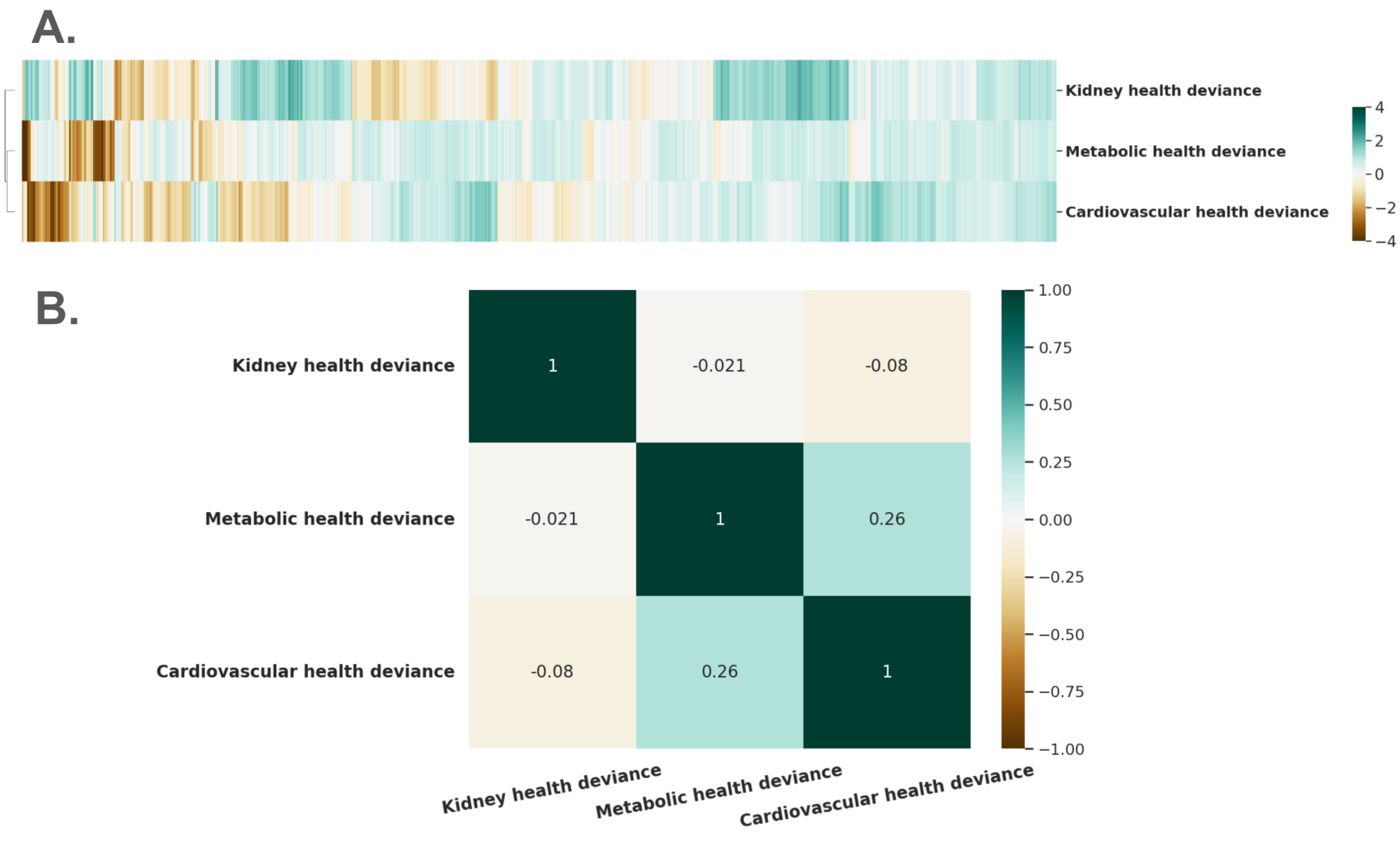
Google Research uses wearable data to predict heart, kidney and metabolic risk with personalized coaching
A new system turns your smartwatch data into a health age you can improve and simulates how changing habits could affect your body over three months.
 Apps and productsGoogle launches Language Explorer to map the world's 7,000 languages onlineHerald of AI
Google launches Language Explorer to map the world's 7,000 languages online
An interactive website and museum exhibit let anyone explore maps, speakers, scripts and endangerment status for thousands of languages.