An NES emulator is hidden inside a small AI model — you can play Super Mario Bros in your browser
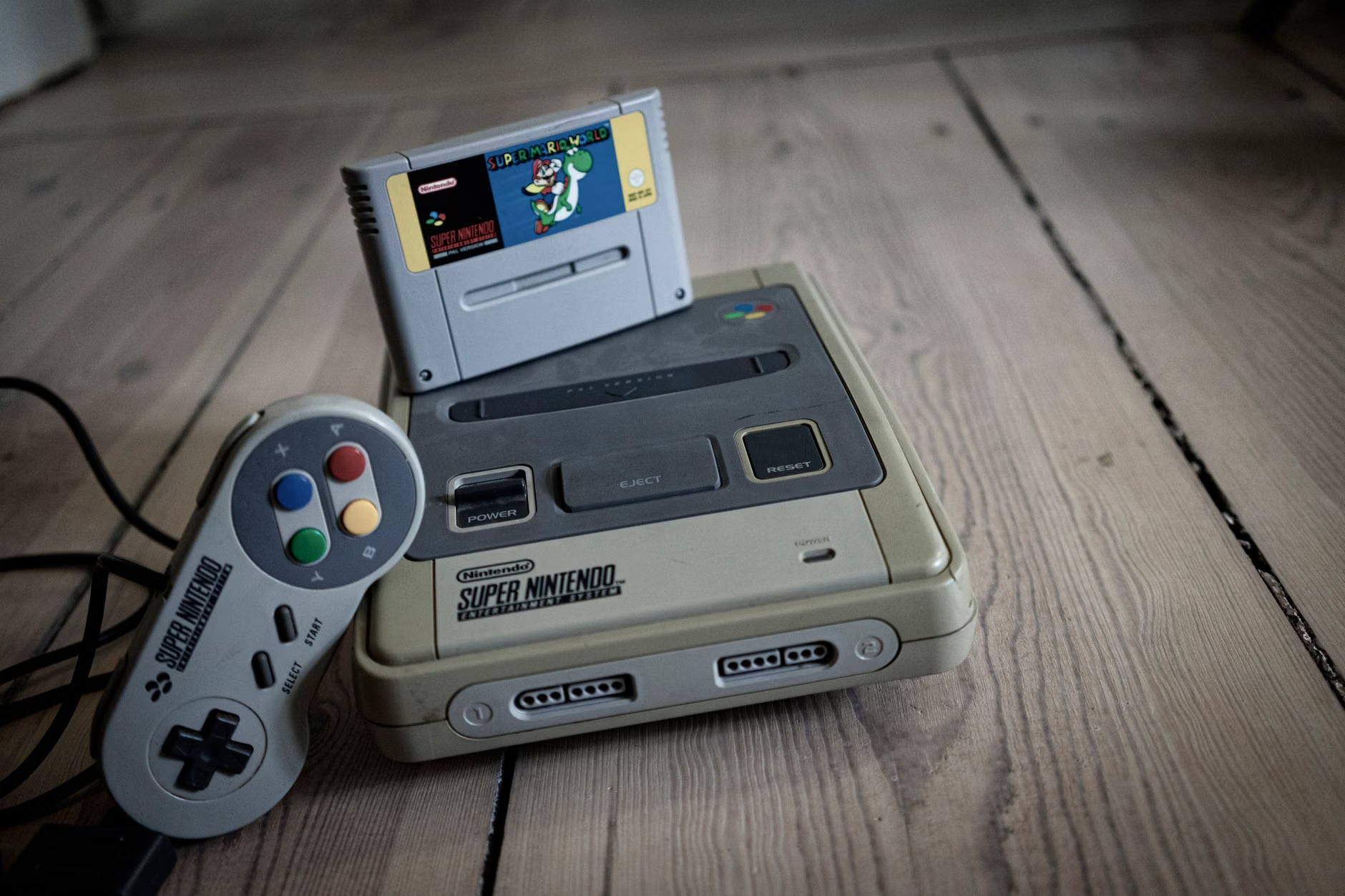
A developer compiled a classic Nintendo console CPU into a Qwen3.5-4B AI model so you can play old games with the AI doing the thinking.
 ▶ Watch this story in one minuteThe same video we post on Instagram and TikTok
An entire NES CPU hidden in an AI
The project, called nesformer, lets you run classic NES games like Super Mario Bros by feeding a game cartridge file into a stock Qwen3.5-4B model. The model doesn't just guess what comes next — every single CPU instruction that the old 6502 chip would have run is computed inside the model's weights by a compiler 12.
Nobody trained the model for this. Every weight was worked out by a piece of software 2. The trick comes from a earlier project called qwenputer by Divyansh Agrawal, which did something similar for simpler computer chips. Nesformer reuses the same compiler and the same idea: the model's internal state acts as the console's memory .
When you start a game, the model predicts one step of the CPU at a time — one token at a time — while a small helper program draws the screen, reads your buttons, and handles sound 2.
How it was built
Drew Breunig used Opus 5.5 to plan the system 1. He pasted an article about qwenputer into the model and asked it to figure out whether it could do the same thing for an NES chip . Claude Opus 5.5 agreed, and Breunig told it to go ahead — noting that speed didn't matter .
Claude also found an old set of test files made 15 years ago by Christopher Pow that check whether a 6502 CPU behaves correctly, and used those to verify the emulator worked 1. The result? Every frame from the bundled test games matches what a regular NES emulator produces exactly 2.
What it can do — and how fast
Super Mario Bros World 1-1 runs inside the model from start to finish, with every CPU token coming straight from the AI 2. But don't expect smooth gameplay. Breunig himself warns it will be slow . A typical run of 600 frames (10 seconds of NES time) takes around 25 minutes, since a frame takes 1–6 seconds .
To use it, you need Python 3.11 or newer and a few standard libraries. You download the project and its weights, place them side by side, and run a command like python -m nesformer run roms/thwaite.nes --frames 600 --show 2. The terminal draws each frame as the model generates it, and saves an animated GIF when finished .
The project lives on GitHub under the name dbreunig/nesformer and is released under an open license 2.
This story reports on a trend for information only. It is not advice or encouragement to do any of it.
How good is it
For the bundled test games, every frame matches exactly what a conventional NES emulator produces 2. The project was verified using an old collection of 6502 conformance tests originally released by Christopher Pow 15 years ago 1. There is no benchmark comparing it to rival approaches or measuring speed in quantifiable terms .
Corrections and updates
- Corrected on 31 October 2026. An earlier version of this story included details its sources do not support. They have been corrected or removed.
Key facts
- An NES CPU emulator is compiled into the weights of a stock Qwen3.5-4B model — no training was done
- Built by Drew Breunig using Claude Opus 5.5 to plan the system
- Super Mario Bros runs inside the model but very slowly
- Uses Gated DeltaNet state as the machine's memory, from the earlier qwenputer project
- Every test frame matches a conventional 6502 emulator output exactly
Sources
Keep reading
 Made with AINYT Cooking app tests AI tool that swaps ingredients and resizes recipesHerald of AIMade with AI
NYT Cooking app tests AI tool that swaps ingredients and resizes recipes
Users can ask the app to substitute one ingredient for another or change serving sizes, but some are frustrated that they can't turn the feature off.
 Made with AIAmazon is shutting down most of its AI lab work and focusing on robots insteadHerald of AI▶
 Made with AIAI skills like prompt engineering will be obsolete by 2026, writer saysHerald of AI▶
 New modelsMirendil launches Fern 0.1, an AI model that can read 10 million tokens at onceHerald of AI