Java bug found by AI could let hackers take over bank and hospital computers
A flaw in the widely used Java programming language lets someone gain full control of vulnerable machines.
What you could do with it
- A researcher could feed a string of 64 capital A characters into Java's base64 decoder and watch it trigger a memory error that exposes a serious security flaw 1.
- A remote attacker could exploit the flaw to gain full unauthorized control of computers running Java at banks, hospitals, airlines, or government agencies 1.
- Researchers at Calif demonstrated the bug by using it to break into Keycloak, a widely deployed login system that protects organizations like CERN and NASA 1.
A string of 'A' characters cracks open Java
Researchers at the cybersecurity startup Calif say they found a severe security flaw in Java by feeding a very simple-looking input to the language's base64 decoder — a component that translates encoded data back into readable form 1.
When the decoder receives a string made up of exactly 64 capital A characters followed by an equals sign (AAAAAAAAAAAAAAAAAAAAAAAAAAAAAAAAAAAAAAAAAAAAAAAAAAAAAAAAAAAAAAAAA=), something goes wrong 1. On some machines this causes a crash, which is annoying but harmless. But Calif says that in certain situations the same error can be twisted into a full system takeover, giving a remote attacker complete control .
The researchers discovered the vulnerability while working alongside OpenAI's GPT-6 Cyber model, an advanced AI designed to solve coding challenges 1. That version of the model has not yet been released to the general public .
To prove the bug was real, Calif showed it could use the flaw to break into Keycloak, a widely deployed login system that protects the accounts of major organisations including CERN and NASA 1.
Why you should care even if you don't write code
Java is one of the most common programming languages in the world 1. Around 90 percent of Fortune 500 companies rely on it, along with banks, hospitals, airlines and government agencies . When a single line of text can crack open those systems, the consequences reach far beyond software developers .
In recent weeks there have been outages affecting Microsoft, the FAA, several banks, Apple and many other services, raising concerns about the age and fragility of digital infrastructure 1. While officials have not linked those disruptions to AI, the Java finding adds another concern to an already strained picture .
The good news is that Oracle, the company that owns Java, shipped a critical patch on Tuesday addressing the flaw, and the US Cybersecurity and Infrastructure Security Agency (CISA) urged all organisations to apply it immediately 1. The bad news is that patches only work when people install them, and Calif estimates the bug could remain unpatched for five to ten years .
As the Engadget article notes, "AAAAAAAA..." may well become the phrase we keep repeating throughout the coming decade of digital competition 1.
This story reports on a trend for information only. It is not advice or encouragement to do any of it.
Key facts
- Bug found in Java's base64 decoder using GPT-6 Cyber AI model by researchers at Calif
- String of 64 A's + = sign can cause memory error leading to full system takeover
- About 90% of Fortune 500 companies use Java
- Can be used to hack Keycloak login system protecting CERN and NASA
- - Oracle issued a patch; bug may linger for 5-10 years
Sources
If this story concerns you or your company, or uses something that belongs to you, ask for a correction or for it to be taken down. How requests work
Keep reading
Apple UK iPhone users miss boosted Siri AI access with iCloud +
Britain is excluded from the free upgrade that lets most iCloud+ subscribers use heavier Siri AI tasks more often.
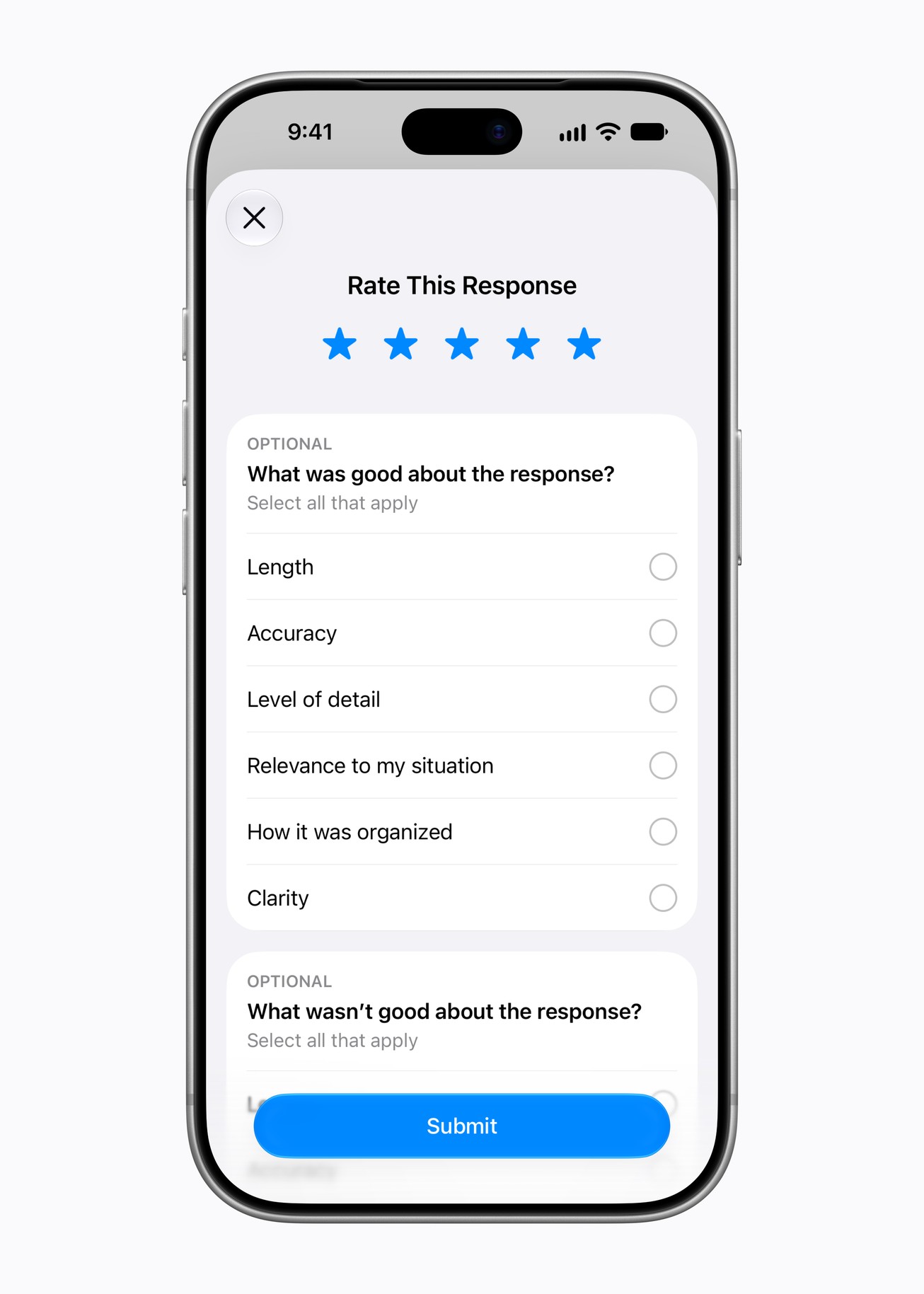 Apps and productsApple launches a free app so people can test and shape AI health tools before they reach everyoneHerald of AI
Apple launches a free app so people can test and shape AI health tools before they reach everyone
A new Apple study lets anyone with a recent iPhone chat with an AI health assistant and rate its answers — helping Apple build better tools for real people.
Older Apple TV 4K gets Siri AI in free tvOS update
Apple is bringing its smarter Siri features to 2nd- and 3rd-generation Apple TV 4K boxes in an upcoming software update — no new hardware needed.