Modder Brings VHS to Life by Running Doom and Super Mario Bros on Tape
A hobbyist has rebuilt a 1980s dead-end idea, proving that VHS tapes can carry game data alongside video.
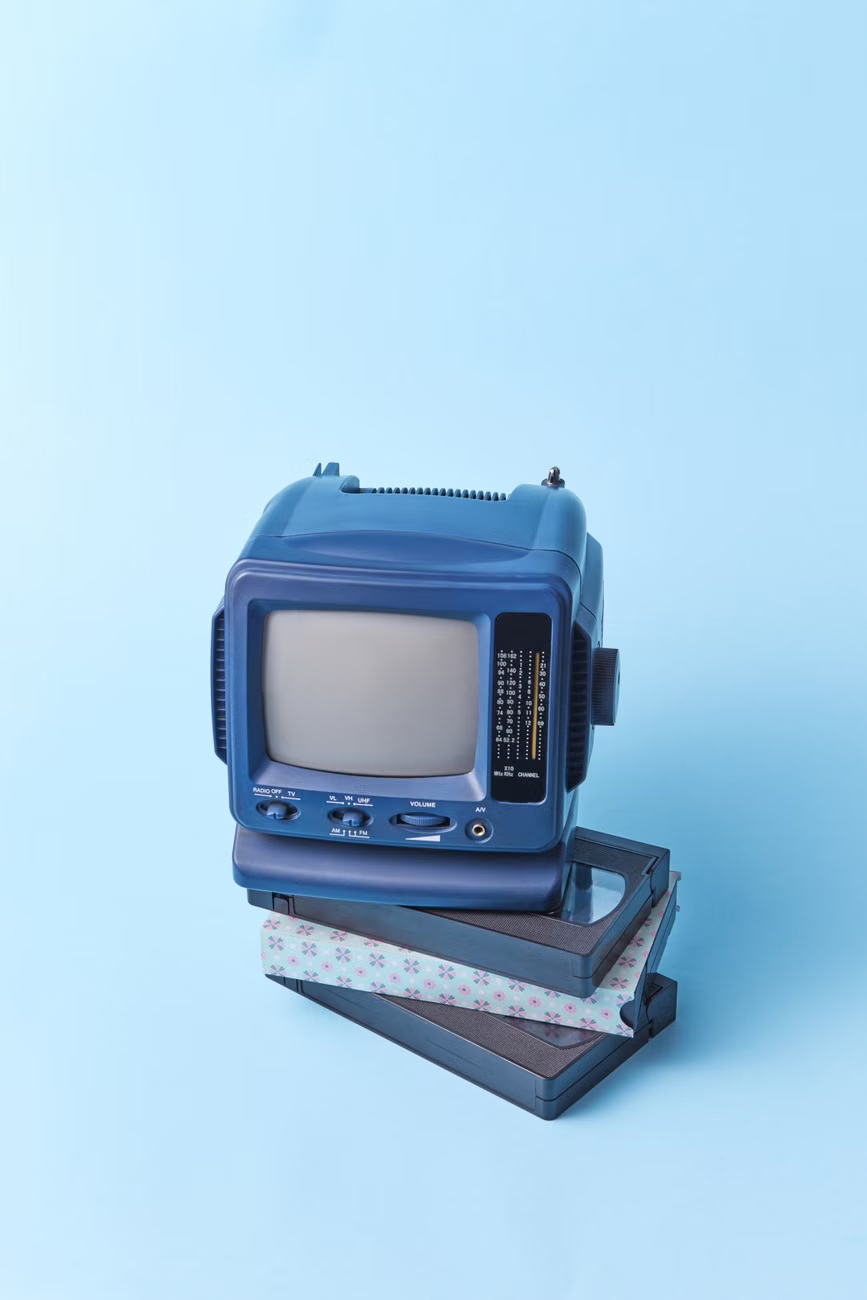
A hardware hobbyist called Throaty Mumbo has spent 2026 turning an oddly impractical question into a working prototype: what if video games were sold on ordinary VHS tapes? He has produced an experimental system named GCVHS that runs modified versions of Doom and Super Mario Bros. using videotape, echoing a strange branch of gaming history that almost happened decades ago 1.
The Forgotten Action Max
The project traces its lineage back to 1987, when Worlds of Wonder released the Action Max, one of the most unusual home consoles ever made. It connected to a television and VCR, and players used a light gun to shoot targets shown on prerecorded tapes 1. The catch was that the tape could not respond to what the player did. Whether you hit every target or missed them all, the video kept playing exactly the same way. Your score changed, but the on-screen action did not . It was closer to an interactive shooting gallery than a real game.
Throaty Mumbo grew curious after playing with an Action Max. Could a tape do more than just play a fixed sequence? Could it actually carry game data alongside video so that player input could change what happened? The result of that curiosity is GCVHS 1.
How GCVHS Actually Works
GCVHS combines vintage hardware with modern microelectronics. A real VHS player feeds its signal into a DE1-SoC FPGA development board, while an RP2350 microcontroller handles the game logic and reads controller input 1. The VHS tape itself stores encoded game data mixed into the composite video signal, along with several video streams . When the tape plays, the hardware decodes the data, runs the code and displays the correct footage .
This means the tape is not simply a movie pretending to be a game. The data written onto the tape is actual executable information that the system reads and processes 1. The project is still experimental, and timing-based tape seeking is planned but not yet finished .
Not a Normal Doom Port
The demonstration builds are not straightforward ports of the original Doom engine. Instead, the VHS version works like an on-rails full-motion-video shooter. Eight prerecorded video streams run simultaneously on the tape, and timed controller inputs pick which stream appears next, creating the illusion of branching levels without requiring the tape to physically jump around 1. The Super Mario Bros. build takes a different path, using the tape as a moving backdrop while the external hardware generates the actual gameplay .
There is no practical reason to choose videotape over a cheap modern handheld, and the system does not try to pretend otherwise. What makes GCVHS interesting is that it pushes a dead idea from the late 1980s further than its original designers ever did, showing what interactive video might have become if someone had invested in the concept instead of abandoning it 1.
This story reports on a trend for information only. It is not advice or encouragement to do any of it.
Key facts
- Throaty Mumbo built GCVHS, a working VHS-based gaming prototype in 2026
- The system runs modified versions of Doom and Super Mario Bros. using real VHS tapes
- Executable game data is encoded alongside video on the tape, unlike the 1987 Action Max
- GCVHS uses a DE1-SoC FPGA board and an RP2350 microcontroller
- The Doom demo uses eight simultaneous video streams with timed inputs choosing branches
Sources
- What If Video Games Came on VHS? One Modder Is Finding Out — gardinerbryant.com