AI Sci-Fi Series Costs Just $38,000, But Hidden Compute Bill Is Huge
An 83-minute show made almost entirely with AI looks cheap—until you count the generations needed for each approved shot.
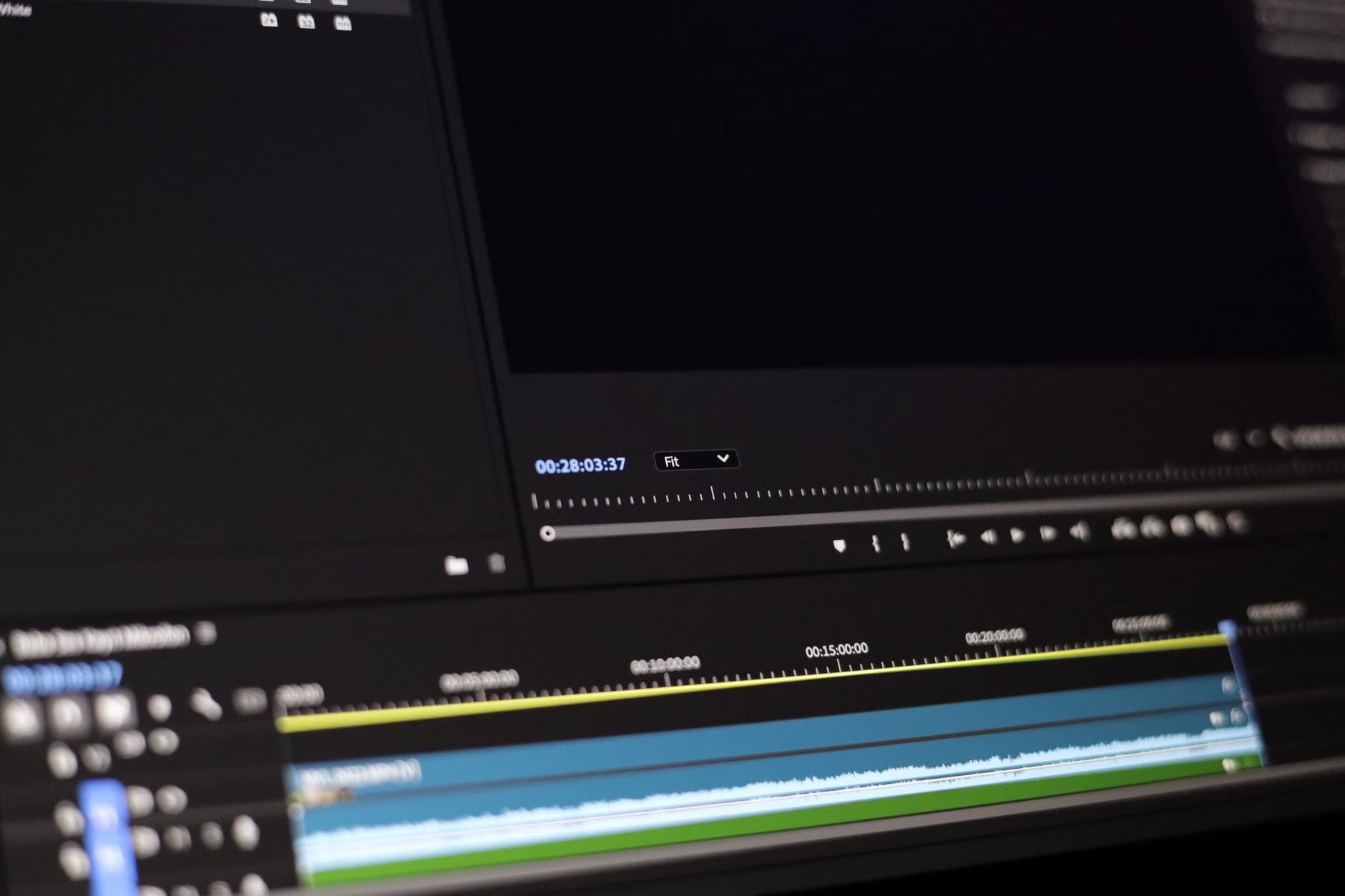
A program that creates video clips from text descriptions, running on powerful computers for many tries.
- Describe the video you want in writing
- Send it to the program to make video clips
- Most clips are thrown away
- Keep the few good ones
A Hollywood-Free Production
A five-episode sci-fi series called The Arc, running about 83 minutes, was made almost entirely with AI-generated video. Its creators say the whole thing cost roughly $38,000. No actors. No physical sets. No camera crews. They billed the work to generative-AI video credits, powered by ByteDance's Seedance 2.0 model and the stock-and-music platform Artlist, according to Business Insider.
At $460 a minute, the headline number sounds like a steal. Traditional US network dramas run $3 million to $8 million per episode, and prestige streaming shows can hit $20 million per episode or more. The AI series was built for a fraction of those costs.
But that $38,000 is the tip of the iceberg.
The Real Cost: Waste
Every shot the creators kept required eight to ten separate generations. Roughly nine-tenths of the video the pipeline produced was thrown away. The $38,000 was never mainly the cost of making 83 minutes of finished content; it is the cost of asking a model to generate a much larger pile of minutes from which only about 83 survived.
Seedance's listed generation rates start around $0.06 per second through one pricing tier and exceed $0.20 per second through another. When you fold in all those extra generations, the cost per finished minute climbs to roughly $7 per second, or about $420 per minute.
That puts the total well above the $38,000 headline figure. The cheaper generation costs enable more wasteful experimentation—a pattern investors should watch closely.
What Matters for the Industry
The project proves that AI video tools can now produce coherent, feature-length content without traditional production infrastructure. It also reveals a hidden economy: as generation prices fall, studios may generate increasingly larger volumes of discarded output.
The key investment question isn't whether AI can make a sci-fi series for $38,000. It's whether the real cost—measured in compute, waste, and revision cycles—will keep rising faster than the apparent savings.
Key facts
- The Arc ran 83 minutes for roughly $38,000 in AI generation credits
- Each accepted shot required 8 to 10 separate Seedance generations
- About 90% of generated video was discarded as waste
- Real cost per finished minute climbs to roughly $7 per second
- Network dramas typically cost $3 million to $8 million per episode
Sources
- This AI-made sci-fi series skipped the actors, sets, and Hollywood-sized budget - Business Insider — businessinsider.com
- The $38,000 AI sci-fi series is cheap to make and expensive to compute — ainvest.com
This story was written before each paragraph carried a source number: every fact in it comes from one of the sources above.
If this story concerns you or your company, or uses something that belongs to you, ask for a correction or for it to be taken down. How requests work
Keep reading
 Made with AIByteDance's Fully AI Game Hits Steam With 88% Positive ReviewsHerald of AI
ByteDance's Fully AI Game Hits Steam With 88% Positive Reviews
A xianxia RPG built entirely with AI art, voice, and code is challenging what a "made with AI" game can feel like.
 New modelsMiniMax H3, Alibaba Wan 3.0 lead 2026's best AI video models — with an open-weight surpriseHerald of AI
MiniMax H3, Alibaba Wan 3.0 lead 2026's best AI video models — with an open-weight surprise
A new ranking shows which AI can turn your words or photos into video, how much they cost per second, and why one open model is now the base for most big names.
 New modelsReka Unveils Rho-1 A Single AI Model That Generates Video and Controls RobotsHerald of AI
Reka Unveils Rho-1 A Single AI Model That Generates Video and Controls Robots
The new 19-billion-parameter model replaces multi-model pipelines by understanding, creating, and reasoning across text, images, video, and robotic actions all at once.